
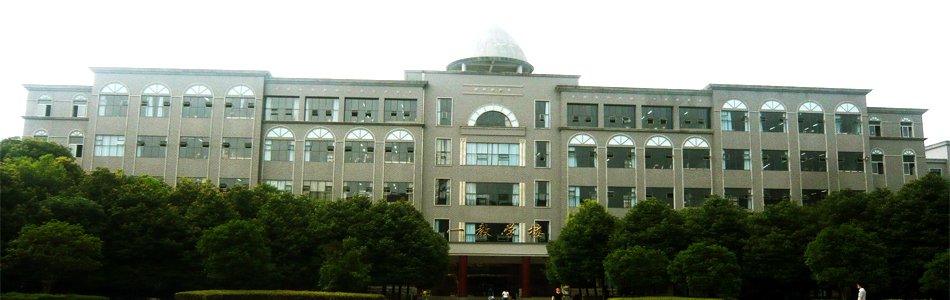
Introduction
Iranian students choose Changsha Medical University for MBBS in China because it offers a structured medical education system, consistent academic oversight, and an international learning environment that aligns well with long-term medical career goals. The university provides English-taught medical education backed by regulated clinical exposure, making it a practical option for students seeking stability, recognition, and adaptability in global healthcare systems.
This content is developed from an advisory and evaluation perspective shaped by years of observing international student outcomes, regulatory changes, and academic patterns in Chinese medical universities. The focus remains educational, decision-oriented, and grounded in real operational considerations faced by Iranian students pursuing MBBS abroad.
Academic Design and Teaching Methodology
How the Medical Program Is Structured
Changsha Medical University follows a nationally regulated MBBS framework approved by the Chinese Ministry of Education. The academic structure emphasizes a gradual transition from theory to clinical practice, allowing international students to adapt without academic overload.
The early years focus on core medical sciences such as anatomy, physiology, and biochemistry. Later phases shift toward hospital-based learning in affiliated teaching hospitals. This progression helps students develop clinical reasoning skills before entering real patient environments.
Academic and training structure overview
| Academic Element | Changsha Medical University MBBS |
| Instruction Language | English (basic Chinese for clinical interaction) |
| Teaching Model | Integrated theoretical and clinical education |
| Clinical Exposure | University-affiliated teaching hospitals |
| Assessment System | Semester-based exams and practical evaluations |
| Degree Awarded | MBBS |
The World Directory of Medical Schools confirms that Chinese universities operating under national medical education frameworks meet baseline international education standards, subject to country-specific licensing requirements (Source: World Federation for Medical Education, WDOMS).
Recognition and Career Pathway Relevance
How the Degree Supports Long-Term Mobility
Iranian students often evaluate MBBS programs based on post-graduation flexibility. Changsha Medical University is officially recognized within China’s national higher education system, which is a prerequisite for international medical credential evaluation.
Graduates remain eligible to pursue licensing pathways in Iran and other regions, depending on regulatory exams and internship requirements. According to data from the Educational Commission for Foreign Medical Graduates, graduates from listed institutions may apply for credential verification processes required for international medical exams (Source: ECFMG).
This recognition framework does not guarantee licensing but ensures eligibility, which is a critical distinction for informed decision-making.
Living Environment and Regional Adaptability
Climate, City Infrastructure, and Student Life
Changsha is located in central China and experiences a humid subtropical climate. Iranian students typically adjust well due to moderate winters and structured urban infrastructure. Public transportation, healthcare access, and student housing systems are well developed, reducing daily logistical stress.
The city hosts a growing international student population, which supports cultural adaptation and access to halal food options, international grocery stores, and multilingual services.
Bonus Tip: Early enrollment in basic Mandarin communication courses significantly improves clinical rotation confidence and daily interaction efficiency.
Comparison With Other MBBS Destinations in China
Iranian students frequently compare multiple Chinese medical universities before selecting one. Changsha Medical University stands out for balanced academic rigor and controlled intake sizes, which helps maintain teaching quality.
Contextual comparison for informed choice
| Decision Factor | Changsha Medical University | Other Tier-2 Chinese Universities |
| Student-to-Faculty Ratio | Moderate | Often high |
| Clinical Training Access | Structured and supervised | Varies by institution |
| International Student Support | Dedicated departments | Limited in some cases |
| Urban Adaptability | High | City-dependent |
This comparison reflects academic patterns observed across central and coastal Chinese medical institutions rather than promotional positioning.
Pre-Decision Factors Iranian Students Should Evaluate
Before finalizing an MBBS program, Iranian students should assess academic readiness, language adaptability, and long-term licensing objectives. Understanding clinical language requirements, internship recognition, and post-graduation exam pathways prevents misalignment between expectations and outcomes.
Bonus Tip: Reviewing internship alignment requirements early avoids delays during post-graduation credential verification.
How Study sphere advisors Supports Structured Decision-Making
Study sphere advisors provides guidance focused on regulatory clarity and procedural accuracy rather than promotional claims. The most relevant support areas include:
- Student Visa Support
Ensures documentation aligns with Chinese embassy and university requirements. - Study Visa Advisory
Provides clarity on academic enrollment compliance and regulatory timelines. - Business Visa Assistance
Supports guardians or academic representatives visiting China for institutional coordination.
These services operate within regulatory frameworks and are designed to reduce procedural risk during international education planning.
Common Decision-Focused Questions Students Ask
Is Changsha Medical University suitable for English-medium MBBS study?
The university offers English-taught MBBS programs, with clinical settings requiring basic Chinese communication over time.
Does the university provide adequate clinical exposure?
Clinical training occurs in affiliated hospitals under supervised frameworks defined by national education standards.
Can Iranian students adapt to the local environment?
Most students adapt well due to structured campus facilities and an established international student presence.
Practical FAQs for Long-Term Planning
How does clinical language impact learning outcomes?
Basic Mandarin improves patient interaction and clinical confidence but does not replace core medical instruction.
Is internship recognition automatic after graduation?
Internship recognition depends on the regulatory authority of the destination country and documentation compliance.
What academic challenges do international students face?
Adjustment to teaching pace and exam formats requires disciplined study routines.
Does the degree limit specialization options later?
Specialization pathways remain open, subject to licensing and postgraduate exam requirements.
Conclusion
Changsha Medical University offers Iranian students a structured, regulated, and internationally aligned MBBS pathway within China’s medical education system. The program supports academic progression, clinical exposure, and post-graduation eligibility planning when evaluated with clear expectations.Students should assess personal adaptability, licensing goals, and learning preferences before committing to any international medical program.
Leave a Reply