
Introduction
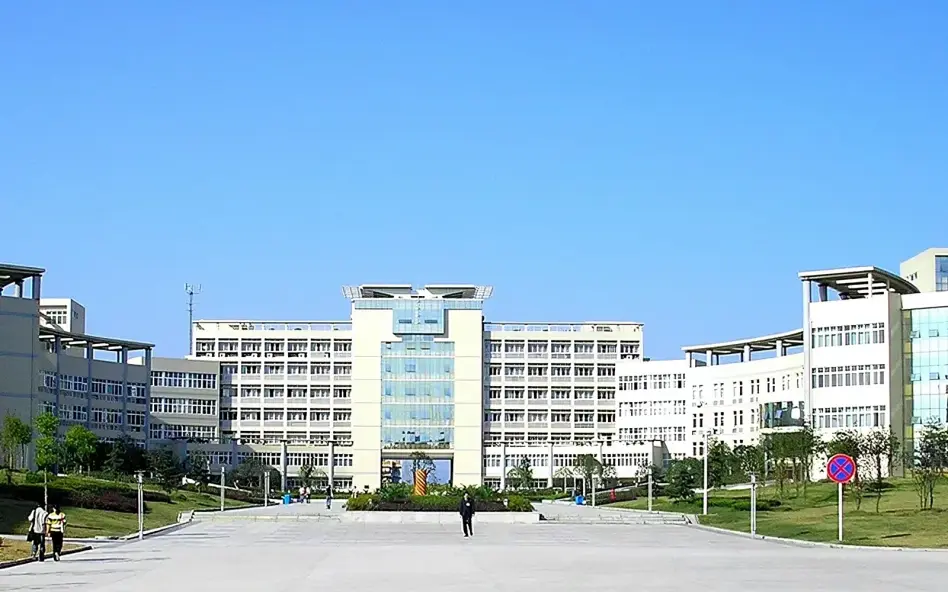
Changsha Medical University is often chosen for MBBS in China because it delivers a stable medical education system that balances theory, clinical exposure, and regulatory alignment for international graduates. The institution focuses on structured learning, hospital-based training, and curriculum consistency, which directly supports students aiming for long-term medical careers rather than short-term enrollment decisions.
This guide draws on applied academic advisory experience within international medical education pathways. The information prioritizes decision-critical factors such as recognition, training quality, student adaptation, and post-graduation outcomes. The goal is to help students evaluate Changsha Medical University on practical and educational merit rather than surface-level appeal.
Academic Structure and Learning Model
How the MBBS Curriculum Is Designed
Changsha Medical University follows an integrated MBBS structure that moves logically from foundational medical sciences into applied clinical learning. The early academic years focus on anatomy, physiology, biochemistry, and pathology, while later years emphasize diagnostics, internal medicine, surgery, pediatrics, and community health.
Instruction is delivered in English for international cohorts, with contextual Mandarin training included to support clinical communication during hospital rotations. The China Ministry of Education mandates standardized learning outcomes for English-taught MBBS programs, and Changsha Medical University aligns with these national benchmarks.
Bonus Tip: Students who actively engage with Mandarin medical terms during the first two years adjust faster during clinical rotations and demonstrate stronger patient-interaction confidence.
Clinical Training Environment and Practical Exposure
Teaching Hospitals and Patient Interaction
The university is affiliated with multiple teaching hospitals that operate as full-service medical facilities. Students observe real patient workflows early, which strengthens clinical reasoning before final-year internships. This exposure reflects how medical practice functions in high-volume hospital systems.
Changsha city experiences humid summers and mild winters. Students transitioning from drier climates adapt better by managing hydration and respiratory health early, especially during hospital rotations where long shifts are common.
Recognition and Long-Term Validity of the Degree
Changsha Medical University appears in the World Directory of Medical Schools (WDOMS), which remains a baseline requirement for many international licensing authorities. Inclusion in WDOMS confirms that the institution meets internationally referenced educational standards.
According to comparative education data published by UNESCO Institute for Statistics, Chinese medical graduates from listed universities show comparable theoretical competency outcomes to peers from Eastern Europe when assessed through standardized screening formats.
How Changsha Medical University Compares Academically
| Evaluation Factor | Changsha Medical University | Typical MBBS Universities in China |
| Medium of Instruction | Fully English-taught MBBS program | Mixed English and bilingual delivery |
| Clinical Exposure Start | Early hospital observation | Often delayed to later years |
| Teaching Hospitals | Multiple affiliated hospitals | Limited or single hospital |
| Curriculum Regulation | Strict national compliance | Varies by institution |
| International Student Support | Structured academic guidance | Inconsistent support systems |
Technical and Academic Program Overview
| Program Attribute | Details |
| Degree Awarded | Bachelor of Medicine and Bachelor of Surgery |
| Program Duration | 6 years including internship |
| Instruction Language | English |
| Internship Setting | University-affiliated teaching hospitals |
| Recognition Basis | Ministry of Education China and WDOMS |
| Academic Progression | Pre-clinical to clinical integration |
Student Environment and Adaptation Factors
Changsha is a major educational and healthcare hub with a cost-of-living structure that supports student stability without excessive lifestyle distractions. Public transport access to hospitals and campuses remains reliable, reducing daily commute stress during clinical years.
Cultural integration improves academic outcomes. Students who participate in hospital etiquette sessions and local academic forums tend to adjust faster and face fewer communication barriers during internships.
Bonus Tip: Consistent attendance in hospital briefings improves familiarity with clinical protocols and reduces adjustment time during final-year rotations.
Factors to Evaluate Before Making a Decision
Before selecting Changsha Medical University, students should assess personal readiness for long-term medical study in a structured academic system. English proficiency, adaptability to climate, and willingness to engage in early clinical exposure influence outcomes significantly.
Students should also verify post-graduation licensing pathways in their intended country of practice. Recognition alone does not guarantee licensing; alignment with national exam requirements remains essential.
Bonus Tip: Reviewing internship expectations in advance helps avoid surprises during the final academic year.
How Study sphere advisors Supports Medical Education Pathways
Study sphere advisors supports students through focused academic and visa-related guidance aligned with international education systems:
- Study Visa Support
Guidance on documentation and regulatory alignment for medical education pathways. - Student Visa Advisory
Assistance with compliance requirements for long-term academic programs. - Work Visa Advisory
Information support for graduates exploring international clinical or research exposure. - Business Visa Guidance
Relevant for professionals pursuing short-term academic collaborations or training programs.
Service involvement remains limited to structural guidance without influencing academic decisions.
Common Decision Questions Students Ask
Is Changsha Medical University suitable for international students with no Mandarin background?
Yes. The MBBS program is taught in English, with structured language support introduced gradually for clinical interaction.
Does early clinical exposure increase academic pressure?
Early exposure increases familiarity rather than pressure when supported by structured supervision.
Is the learning environment competitive or collaborative?
The academic environment emphasizes collaborative learning due to diverse international cohorts.
Answers to Long-Term Student Concerns
How does the degree support future licensing exams?
The curriculum aligns with international medical standards, supporting foundational exam preparation.
Does hospital training reflect real medical practice?
Teaching hospitals operate as active medical centers, providing realistic clinical exposure.
Can students pursue research alongside MBBS?
Research opportunities exist but require proactive faculty engagement.
How demanding is the academic workload?
The workload is consistent with global medical education standards and requires disciplined study habits.
What impacts success most during the program?
Adaptability, clinical engagement, and steady academic discipline drive outcomes.
Conclusion
Changsha Medical University offers a structured, clinically grounded MBBS pathway aligned with international medical education standards. The combination of regulated curriculum, early hospital exposure, and institutional recognition supports long-term professional goals rather than short-term enrollment decisions. Students should evaluate personal readiness, learning preferences, and future licensing plans before making a final choice.
Leave a Reply