
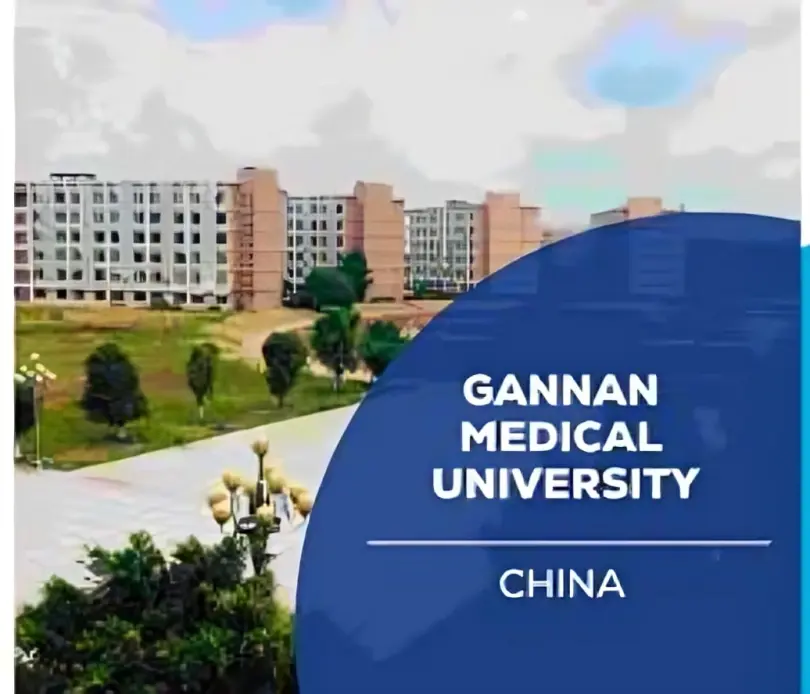
Introduction
Gannan Medical University is a viable MBBS option in China for Iranian students who want a structured medical education, stable academic governance, and predictable post-graduation pathways. The university follows China’s nationally regulated medical curriculum, delivers MBBS programs in English for international students, and provides early clinical exposure through affiliated teaching hospitals. These factors collectively address the most common concerns Iranian students face: degree recognition, clinical readiness, and transition back to licensing systems after graduation.
This guide is written from the professional advisory standpoint of Study sphere advisors, based on repeated evaluation of Chinese medical universities, student outcomes, and regulatory alignment for Iranian applicants. The focus remains educational, evidence-based, and decision-oriented, ensuring that each section adds practical clarity rather than surface-level reassurance.
Academic Structure That Matches International Medical Standards
Gannan Medical University follows a six-year MBBS structure commonly accepted across Asia and the Middle East. The initial phase builds a strong foundation in basic medical sciences, followed by clinical sciences and a full-year hospital internship. Instruction for international cohorts is delivered in English, while clinical interaction gradually introduces basic Mandarin for patient communication.
According to the Chinese Ministry of Education, medical universities approved to host international MBBS programs must follow a standardized curriculum and undergo periodic audits. This national oversight reduces curriculum variability and ensures consistency across teaching hospitals. UNESCO education data also confirms that China is among the top destinations globally for outbound medical students due to standardized training models and institutional capacity.
Bonus Tip: Iranian students with long-term plans for licensing exams benefit from universities where clinical exposure begins earlier. This supports better adaptation to exam-based assessment systems later.
Clinical Exposure and Teaching Hospital Environment
Clinical training remains one of the strongest practical advantages of studying at Gannan Medical University. The university operates multiple affiliated hospitals that serve large regional populations, giving students exposure to diverse case profiles rather than simulated learning alone.
China’s National Health Commission reports that teaching hospitals linked to provincial medical universities handle high patient volumes annually, which directly influences clinical competency development. This setting helps students gain confidence in diagnosis, patient interaction, and procedural observation.
Bonus Tip: Students planning clinical practice outside China should maintain detailed internship logs and supervisor attestations, as these documents are frequently required during credential evaluations.
Comparative Position Among Similar Chinese Medical Universities
The table below places Gannan Medical University in context with comparable provincial medical universities commonly considered by Iranian students. The comparison focuses on academic and structural factors rather than costs.
| Evaluation Factor | Gannan Medical University | Other Provincial Medical Universities |
| English-Medium MBBS | Available | Available at selected institutions |
| Affiliated Teaching Hospitals | Multiple | Varies by university |
| Clinical Exposure Start | Earlier clinical integration | Often later |
| Regulatory Oversight | Ministry of Education supervised | Ministry of Education supervised |
| International Student Cohort Size | Moderate | Low to high |
This positioning highlights why Gannan Medical University is often shortlisted by students who want balanced academic depth without the administrative congestion seen in larger metropolitan universities.
Living Environment and Regional Adaptability
Gannan Medical University is located in Ganzhou, a city with a moderate climate and lower population density than major Chinese hubs. For Iranian students, this often translates into fewer cultural distractions and better focus on academics during the initial adjustment period.
Seasonal weather patterns include humid summers and mild winters, which are generally manageable with basic preparation. Daily life requires gradual adaptation to local language usage, especially during hospital rotations.
Bonus Tip: Learning basic medical Mandarin terms before clinical years significantly improves communication efficiency and reduces stress during patient interactions.
Pre-Decision Factors Iranian Students Should Evaluate Carefully
Before finalizing enrollment, Iranian students should assess several non-negotiable factors related to long-term outcomes rather than short-term convenience. These considerations influence both academic continuity and post-graduation mobility.
| Decision Factor | Why It Matters |
| Recognition in Home Licensing Pathways | Determines eligibility for exams after graduation |
| Language Transition During Clinical Years | Affects patient interaction and assessment |
| Internship Documentation Standards | Required for credential verification |
| Academic Attendance Policies | Impacts eligibility for graduation |
| Support for International Students | Influences adjustment and retention |
Careful evaluation of these elements prevents complications after degree completion, especially when transitioning back to regional medical systems.
Services That Support Medical Education Pathways
Study sphere advisors provides focused support services aligned with international medical education planning. These services are structured to reduce procedural risk rather than influence academic decisions.
- Student Visa Assistance
Structured guidance on documentation and compliance with Chinese immigration rules. - Study Visa Advisory
Step-by-step alignment of admission documents with embassy requirements. - Business Visa Support
Applicable for parents or guardians attending academic or administrative matters. - Work Visa Guidance
General advisory for graduates exploring regulated post-study work pathways.
Common Decision-Stage Questions Students Ask
Students often seek clarity on practical matters before committing to a university. The following concerns typically arise during the evaluation stage.
Is clinical training sufficient for international practice?
The volume and diversity of cases support foundational clinical competence, subject to licensing authority requirements.
Does the English-medium program remain consistent throughout?
Pre-clinical instruction is fully English-based, with gradual bilingual exposure during hospital rotations.
Is regional location a disadvantage?
Smaller cities often provide better academic focus and easier hospital access for students.
Answers to Broader Long-Term Questions
How does graduation from Gannan Medical University affect licensing abroad
Graduates must follow the licensing rules of their target country, using degree verification and internship records.
What academic habits improve outcomes during MBBS in China
Consistent attendance, early clinical note-keeping, and proactive language learning improve overall performance.
Does clinical exposure differ from larger Chinese cities
Patient diversity remains high, though case specialization may be broader rather than highly segmented.
How important is institutional documentation after graduation
Official transcripts, internship letters, and curriculum outlines are critical for credential evaluation.
Final Perspective
Gannan Medical University offers a regulated, clinically grounded MBBS pathway suited to Iranian students who prioritize academic structure and post-graduation flexibility. Evaluating recognition, clinical exposure, and personal adaptability remains essential before making a final decision. Each student benefits from aligning institutional features with long-term professional goals rather than short-term convenience.
Leave a Reply