
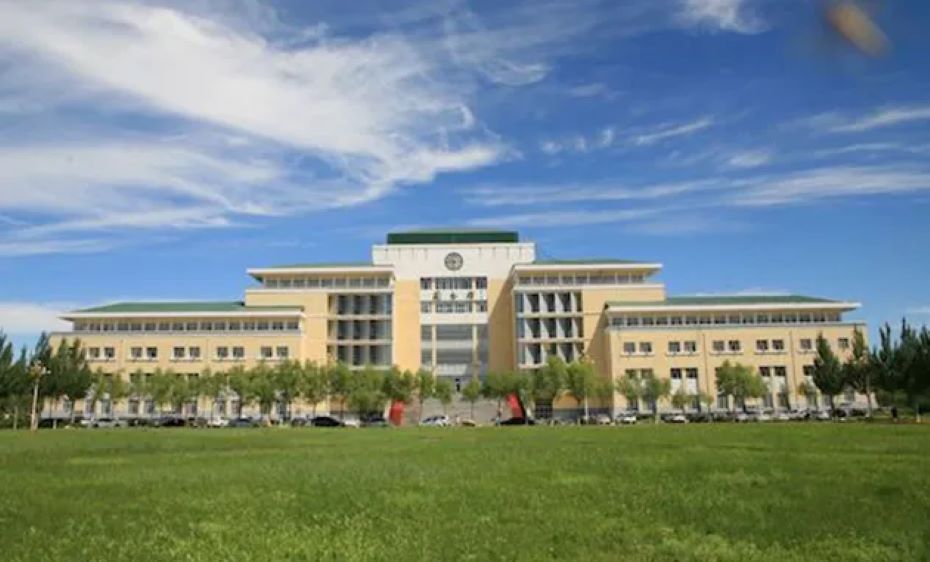
Harbin Medical University (HMU) has emerged as a highly attractive destination for MBBS students from Saudi Arabia due to its robust medical curriculum, structured clinical exposure, and recognition by international medical authorities. Saudi students often prioritize institutions that align with global medical standards, provide comprehensive clinical practice opportunities, and offer a clear pathway toward licensing in their home country. HMU meets these criteria while also fostering a multicultural environment that supports international students academically and socially.
This article delivers a thorough exploration of why HMU draws Saudi MBBS aspirants, presenting practical insights and evidence-based data to guide students and educational advisors in making informed decisions. Study Sphere Advisors presents this analysis based on direct interactions with students, academic program assessments, and regulatory alignment reviews.
Academic Excellence and Curriculum Structure
Harbin Medical University maintains a curriculum aligned with World Health Organization (WHO) standards and recognized by the Saudi Commission for Health Specialties (SCFHS). The MBBS program is structured to combine theoretical knowledge with practical training, ensuring students acquire both academic and clinical competencies early in their education.
Key Features of HMU Curriculum for Saudi Students
| Feature | Details |
|---|---|
| Language of Instruction | English-medium MBBS program, reducing adaptation challenges for Saudi students |
| Clinical Exposure | Rotations in affiliated hospitals, including specialty departments like cardiology, surgery, and pediatrics |
| Curriculum Duration | 6-year program including 1-year internship |
| International Recognition | WHO, IMED, and ECFMG listed, facilitating licensing abroad |
| Student Assessment | Continuous assessment, practical exams, and OSCE-based clinical evaluations |
Bonus Tip: Students planning to practice in Saudi Arabia should prioritize courses emphasizing patient communication and clinical documentation, as these directly align with SCFHS licensing requirements.
Campus Life and International Student Support
HMU has designed a supportive environment for international students, with dedicated counselors, language support programs, and cultural adaptation activities. Saudi students benefit from communities of students from various countries, enhancing cross-cultural learning and easing transition challenges.
| Aspect | Support Provided |
|---|---|
| Accommodation | On-campus dormitories with integrated social facilities |
| Student Counseling | Academic and psychological support tailored to international needs |
| Cultural Integration | Student clubs, language exchange programs, and cultural events |
| Safety and Security | 24/7 campus security with monitored entry systems |
Bonus Tip: Engaging in student clubs and language exchange programs improves both cultural assimilation and networking opportunities, which are crucial for clinical rotations and post-graduation placement.
Advanced Medical Facilities and Research Opportunities
Harbin Medical University emphasizes evidence-based medical training supported by advanced facilities. Saudi students gain hands-on experience using modern diagnostic tools and participating in research projects that meet international standards.
| Facility | Description |
|---|---|
| Laboratories | State-of-the-art anatomy, physiology, and biochemistry labs |
| Hospitals | Affiliated teaching hospitals equipped with advanced diagnostic and surgical equipment |
| Research Programs | Opportunities in molecular biology, public health, and clinical research |
Market Fact: According to QS World University Rankings (2024), HMU ranks among the top 10 medical universities in China for research output, attracting international students seeking high-standard academic exposure.
Bonus Tip: Students should actively participate in research seminars to strengthen their practical knowledge and enhance CVs for post-graduate opportunities in Saudi Arabia or globally.
Comparison of HMU with Other Popular Chinese Medical Universities for Saudi Students
| University | Duration of MBBS | Language of Instruction | Clinical Exposure | Recognition |
|---|---|---|---|---|
| Harbin Medical University | 6 years | English | Extensive in affiliated hospitals | WHO, IMED, SCFHS |
| China Medical University | 6 years | English | Moderate | WHO, IMED |
| Jilin University | 6 years | English | Extensive | WHO, IMED |
| Zhejiang University | 6 years | English | Limited rotations | WHO, IMED |
This comparison highlights HMU’s balance between language accessibility, clinical experience, and recognition by international medical bodies, making it especially suitable for Saudi students seeking licensing pathways in their home country.
Things to Consider Before Choosing HMU
Selecting the right medical university requires careful evaluation of factors that influence academic success and future career progression. For Saudi MBBS aspirants considering HMU:
-
Accreditation: Ensure the program is recognized by SCFHS to facilitate future licensing.
-
Language Preparedness: While instruction is in English, familiarity with Chinese can enhance clinical rotations and daily life interactions.
-
Climate Adaptation: Harbin experiences harsh winters with sub-zero temperatures; adequate preparation is essential for physical and mental adjustment.
-
Cultural Fit: Integration into student communities and participation in cultural programs reduces homesickness and improves academic engagement.
Study Sphere Advisors Services for MBBS Aspirants
To support students navigating the complexities of overseas medical education, Study Sphere Advisors provides:
-
Study Visa Assistance: Guidance and processing of study visas for Chinese universities.
-
Student Visa Support: Comprehensive documentation support and compliance checks for international students.
-
Pre-Departure Orientation: Practical advice on climate, culture, and university expectations for smoother transition.
-
Work Visa Advice: Post-graduation pathways guidance for students interested in clinical or research positions abroad.
Immediate Questions Saudi Students Ask About HMU
-
What is the medium of instruction for MBBS at HMU?
-
How are clinical rotations structured, and what exposure will I gain?
-
Are there on-campus accommodations suitable for international students?
-
Does HMU provide research opportunities alongside regular studies?
These questions address immediate logistical and academic considerations that influence decision-making for Saudi students.
Common Questions About Studying MBBS in China
How long is the MBBS program at Harbin Medical University
The MBBS program lasts six years, including a one-year internship that provides practical clinical experience.
Is HMU recognized by international medical authorities
Yes, HMU is recognized by WHO, IMED, and SCFHS, facilitating licensing in Saudi Arabia and other countries.
Can I work or intern during studies
Students are encouraged to participate in hospital rotations and research programs, but work outside these activities is regulated by visa conditions.
What support is available for cultural adjustment
HMU provides counseling, language support, and student clubs to help international students adapt socially and academically.
Are there opportunities for research publications
Yes, students can participate in faculty-led research projects and contribute to publications in recognized medical journals.
Key Takeaways
Harbin Medical University offers a comprehensive MBBS program combining rigorous academics, structured clinical exposure, and robust international recognition. Saudi students benefit from English-language instruction, research opportunities, and strong support systems for international students. Considering accreditation, cultural adaptation, and climate preparedness ensures a smooth and successful academic journey. Evaluating these factors alongside personal career objectives is essential before committing to medical studies abroad.
Leave a Reply