
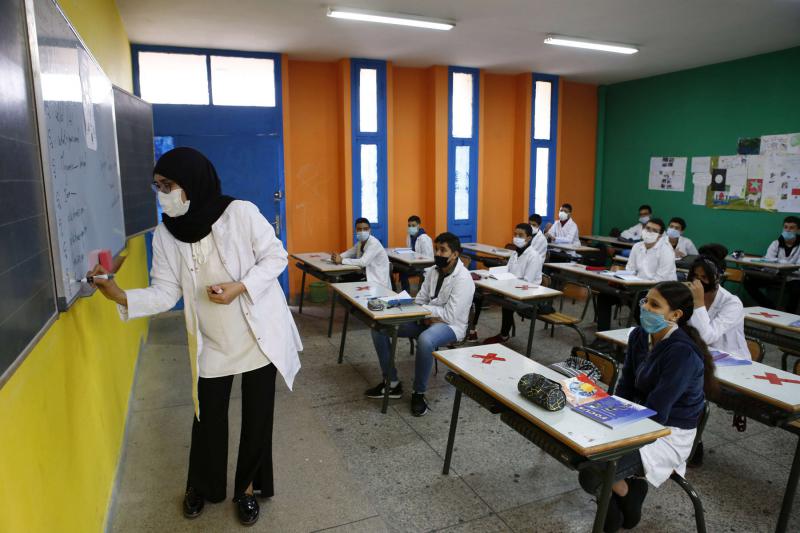
Moroccan medical aspirants increasingly evaluate international MBBS programs that combine structured medical education, clinical exposure, and internationally aligned curricula. Jinggangshan University in China appeals to many Moroccan students because it offers an English-medium MBBS structure, hospital-based clinical training, and academic frameworks that align with global medical licensing pathways. These features make the university a practical option for students aiming to pursue medical careers in international healthcare systems.
Insights compiled through experience working with international education pathways indicate that Moroccan students prioritize universities with recognized medical programs, accessible clinical environments, and stable academic systems that support international learners. The following guide explains the structure, academic features, and decision-making factors associated with Jinggangshan University’s MBBS program so prospective students can evaluate whether the program aligns with their long-term medical goals.
Key Academic Characteristics of Jinggangshan University MBBS Program
Jinggangshan University operates a structured MBBS curriculum designed to align with international medical education frameworks. The program integrates foundational medical sciences with progressive clinical exposure in affiliated hospitals.
| Academic Component | Description |
|---|---|
| Program Duration | 6 years including internship |
| Language of Instruction | English medium for international MBBS students |
| Clinical Training | Conducted in affiliated teaching hospitals |
| Curriculum Structure | Pre-clinical sciences followed by clinical rotations |
| Internship | Final-year hospital-based internship |
| International Student Support | Dedicated academic and administrative assistance |
This structure mirrors the model used by many global medical universities, where students build theoretical knowledge during the first years and gradually transition into clinical environments.
Global medical education data from the World Directory of Medical Schools (WFME & FAIMER) shows that internationally recognized programs increasingly follow this integrated structure to support cross-border medical licensing pathways.
Bonus Tip: Medical aspirants should evaluate how early clinical exposure begins in a program. Universities that integrate hospital training earlier often help students develop stronger diagnostic reasoning skills.
Factors That Attract Moroccan Medical Students
Moroccan students typically compare international MBBS options based on recognition, academic stability, and clinical exposure. Jinggangshan University aligns with several of these expectations.
Structured Medical Curriculum
The program follows a progressive curriculum that covers:
-
Anatomy
-
Physiology
-
Biochemistry
-
Pathology
-
Pharmacology
-
Internal medicine
-
Surgery
-
Pediatrics
-
Obstetrics and gynecology
This structure ensures that students gradually transition from theoretical learning to clinical application.
Clinical Training Environment
Teaching hospitals affiliated with the university provide exposure to diverse medical cases. Large patient volumes often improve students’ ability to observe diagnosis, treatment planning, and hospital workflows.
According to World Health Organization global health workforce data, countries with high patient-to-doctor ratios frequently provide strong clinical training environments due to case diversity.
English Medium Education
English-medium instruction remains an important factor for Moroccan students preparing for international licensing exams such as USMLE or PLAB.
Bonus Tip: Students planning international licensing exams should verify whether medical textbooks, lectures, and exams are conducted consistently in English throughout the program.
Comparison With Other Popular MBBS Study Destinations
Moroccan students often evaluate multiple countries before choosing a medical university. The following comparison highlights major differences in academic structure and accessibility.
| Study Destination | Language of Instruction | Clinical Exposure | International Student Support | Recognition Pathways |
|---|---|---|---|---|
| China | English programs available | High patient volume | Structured international offices | Multiple global licensing routes |
| Eastern Europe | English programs common | Moderate hospital exposure | Established student communities | EU recognition frameworks |
| Central Asia | English programs available | Varies by university | Growing international programs | Limited global licensing alignment |
| South Asia | English medium | High patient exposure | Competitive admissions | Regional recognition pathways |
UNESCO international education mobility statistics show that China hosts more than 490,000 international students, with medical programs representing a significant portion of that population. This growth reflects expanding global interest in Chinese medical universities.
Academic Environment and Campus Facilities
International medical students often evaluate campus infrastructure before selecting a university. Jinggangshan University provides academic facilities designed to support medical education.
| Facility Type | Purpose for Medical Students |
|---|---|
| Medical laboratories | Anatomy and clinical skills training |
| Teaching hospitals | Practical clinical rotations |
| Digital libraries | Access to international medical research |
| Simulation labs | Medical procedure practice |
| Student accommodation | Housing for international students |
Modern simulation labs help students practice procedures such as patient assessment, emergency response, and clinical diagnostics before interacting with real patients.
Bonus Tip: Students should review hospital affiliation details when selecting a medical university. Larger teaching hospitals usually provide better exposure to specialized departments.
Important Factors Moroccan Students Should Evaluate Before Choosing a Medical University
Choosing an international MBBS program requires careful evaluation of academic and professional outcomes. Several practical considerations influence whether a program suits a student’s long-term goals.
Recognition and Accreditation
Medical universities should appear in internationally recognized directories such as the World Directory of Medical Schools, which helps support eligibility for licensing exams.
Language Preparation
Even when instruction is in English, students may need basic Mandarin communication skills during clinical training to interact with patients.
Licensing Exam Preparation
Students planning to practice medicine outside China should research eligibility requirements for licensing examinations in their target country.
Cultural and Academic Adaptation
Moving to a new country requires adjustment to different teaching methods, hospital systems, and communication styles.
International Education Guidance and Visa Support
Navigating medical admissions abroad involves academic verification, documentation, and visa procedures. Study sphere advisors provides guidance to help students manage these steps effectively.
Relevant services include:
-
Study Visa Assistance
Guidance on student visa documentation, embassy requirements, and application preparation. -
Student Visa Processing Support
Help with organizing admission letters, academic documents, and visa interviews. -
Business Visa Assistance
Support for educational delegations or academic partnership visits. -
Work Visa Guidance
Advisory support for graduates exploring international employment pathways.
These services focus on simplifying administrative processes while allowing students to focus on academic preparation.
Questions Students Often Ask Before Selecting a Medical University
How important is hospital affiliation when choosing an MBBS university?
Hospital affiliation determines the quality of clinical exposure. Universities linked with large teaching hospitals typically provide broader patient case experience.
Do international MBBS students receive structured clinical rotations?
Many universities organize rotations across departments such as internal medicine, surgery, pediatrics, and emergency medicine during the clinical years.
How does language influence clinical training?
Even in English-medium programs, students may need basic local language skills to communicate with patients during hospital rotations.
Can graduates pursue international licensing exams after MBBS?
Eligibility depends on university recognition and the regulations of the country where the graduate plans to practice medicine.
Practical Questions After Starting an International MBBS Journey
How can medical students adapt to a new academic system quickly?
Establish consistent study routines, attend clinical rounds regularly, and engage with international student support offices.
What study habits improve performance during clinical years?
Regular patient case review, strong note-taking habits, and clinical observation during hospital rounds strengthen practical understanding.
How important is research exposure during MBBS?
Participating in medical research projects can improve analytical thinking and strengthen future residency applications.
How can international students manage language barriers during hospital training?
Learning basic medical terminology in the local language and observing doctor-patient interactions helps improve communication.
Key Takeaways
Jinggangshan University’s MBBS program appeals to Moroccan medical aspirants because it offers a structured medical curriculum, English-medium education, and hospital-based clinical training. These elements support students who plan to pursue international medical careers or licensing pathways.
Selecting a medical university requires careful evaluation of recognition, clinical exposure, language requirements, and long-term professional goals. Students who analyze these factors before enrollment are more likely to make informed decisions about their medical education journey.
Leave a Reply