
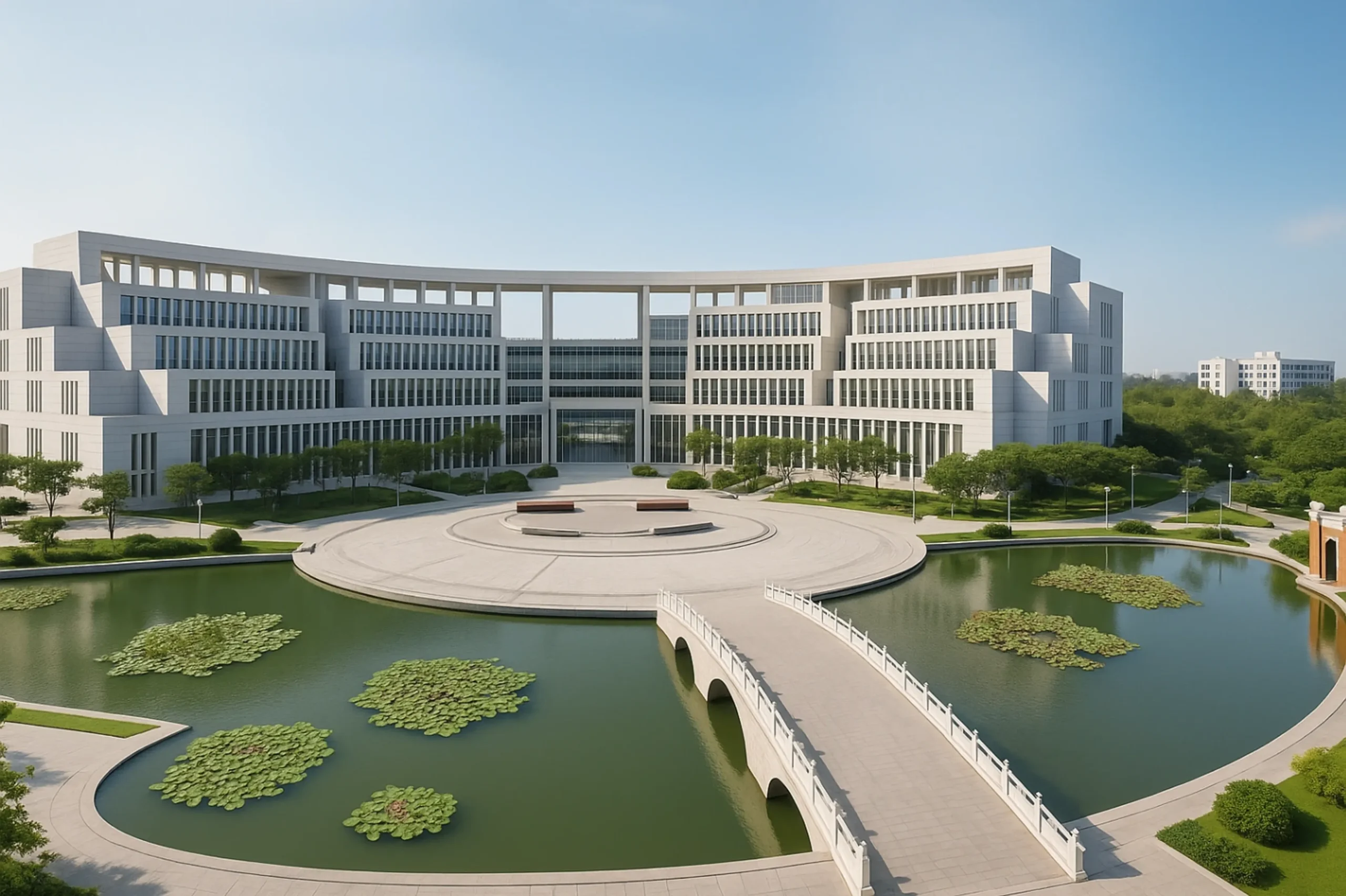
Key Advantages of Studying MBBS at Jiangsu University for Saudi Students center on three decisive factors: globally aligned medical education standards, structured clinical exposure within China’s advanced hospital system, and academic compatibility with Saudi medical licensing pathways. Jiangsu University has built a consistent academic track record with international medical cohorts, making it a practical choice for Saudi students seeking predictable outcomes rather than experimental pathways.
This analysis is written from Study sphere advisors’ operational exposure to Chinese medical universities, student progression trends, and post-graduation licensing behavior. The content prioritizes decision-critical facts over narratives, enabling Saudi families to assess suitability using verifiable academic and regulatory indicators.
Academic Structure and Learning Outcomes That Matter
Curriculum alignment with Saudi medical expectations
Jiangsu University delivers an English-medium MBBS curriculum structured to mirror internationally accepted medical education frameworks. The program emphasizes integrated basic sciences followed by progressive clinical immersion, reducing the academic shock Saudi students often face when transitioning between systems. Key academic characteristics are summarized below.
Academic framework and delivery model at Jiangsu University
| Parameter | Program Detail |
|---|---|
| Medium of instruction | English |
| Program duration | 6 years including internship |
| Curriculum model | Integrated pre-clinical and clinical |
| Assessment methods | Written exams, OSCEs, clinical evaluations |
| Internship exposure | Affiliated tertiary teaching hospitals |
| Degree recognition | Listed in World Directory of Medical Schools |
Clinical exposure within China’s hospital ecosystem
Clinical rotations begin earlier than many Asian MBBS programs, allowing Saudi students to build patient-handling confidence before final years. Teaching hospitals associated with Jiangsu University manage high patient volumes, which directly improves diagnostic exposure and procedural familiarity.
Bonus tip from operational experience: Saudi students adapt faster when clinical exposure begins before language fatigue sets in. Early patient interaction accelerates medical English retention and confidence.
Recognition and Licensing Relevance for Saudi Graduates
Global recognition status and licensing compatibility
Jiangsu University’s inclusion in the World Directory of Medical Schools establishes baseline eligibility for licensing pathways in Saudi Arabia, subject to individual assessment by the Saudi Commission for Health Specialties (SCFHS). According to the World Directory of Medical Schools (wdoms.org), listing is a mandatory prerequisite for international licensing consideration.
Graduates from Chinese MBBS programs increasingly appear in SCFHS data submissions, reflecting a steady normalization trend. SCFHS annual statistical reports indicate a year-on-year increase in internationally trained Saudi medical graduates since 2021.
Comparison with alternative MBBS destinations commonly chosen by Saudi students
| Factor | China Jiangsu University | Eastern Europe | South Asia |
|---|---|---|---|
| English-medium stability | High | Moderate | Variable |
| Hospital patient volume | High | Moderate | High |
| Clinical supervision structure | Standardized | Mixed | Variable |
| Cultural adaptation curve | Moderate | Moderate | High |
| Licensing documentation clarity | High | Moderate | Moderate |
Bonus tip: Documentation completeness during internship significantly affects SCFHS processing time. Universities with structured hospital reporting systems reduce verification delays.
Living Environment and Cultural Adaptation Factors
Student environment and city-level exposure
Jiangsu Province offers a controlled urban environment with strong public infrastructure, lower congestion than mega-cities, and consistent safety metrics. According to China Statistical Yearbook data, Jiangsu ranks among the top provinces for healthcare infrastructure density and urban livability.
Saudi students benefit from predictable daily routines, regulated campus housing, and clear academic calendars. Climate differences exist, particularly colder winters, but structured indoor campus facilities reduce disruption.
Bonus tip: Students who engage in basic Mandarin medical terms during the first year demonstrate smoother clinical evaluations by the third year.
Pre-Decision Factors That Require Careful Evaluation
Decision-making should prioritize long-term outcomes rather than admission speed. Critical pre-decision factors include:
• Personal adaptability to structured academic systems
• Readiness for early clinical exposure
• Documentation discipline during internship years
• Long-term licensing strategy alignment
Saudi families should validate internship hospital accreditation status annually, as affiliations can change based on regulatory audits.
Relevant Support Services Provided
Study sphere advisors supports structured academic journeys rather than transactional admissions. Relevant services aligned with this topic include:
• Study Visa processing:
Ensures documentation sequencing matches Chinese embassy requirements without procedural gaps.
• Student Visa coordination:
Maintains compliance across enrollment, medical checks, and residency registration stages.
• Business Visa facilitation:
Supports guardians or sponsors requiring short-term academic visits.
• Work Visa advisory:
Guides post-study employment pathways where applicable within legal frameworks.
Service involvement remains limited to structural guidance, preserving academic independence for students.
Common Questions Asked Before Making a Final Choice
Does Jiangsu University support Saudi students academically from year one
The university assigns international student coordinators and structured academic advising from the first semester.
Is the teaching hospital exposure sufficient for clinical confidence
Patient volume and supervised rotations provide consistent exposure across core medical disciplines.
How predictable is academic progression
Progression follows a fixed calendar with minimal deviations, reducing uncertainty for families planning long-term.
Are international students assessed differently
Assessment criteria remain uniform across domestic and international cohorts, maintaining grading integrity.
Long-Term Questions After Enrollment
How does internship documentation affect Saudi licensing
Structured hospital reports and supervisor evaluations strengthen post-graduation verification processes.
Can clinical skills transfer smoothly to Saudi hospitals
Exposure to diverse patient cases improves adaptability to Saudi clinical environments.
What challenges appear most often after year two
Language fatigue and academic pacing require early discipline rather than reactive adjustments.
Is postgraduate specialization possible after return
Eligibility depends on SCFHS assessment and individual academic performance rather than country of graduation alone.
Conclusion
Key Advantages of Studying MBBS at Jiangsu University for Saudi Students lie in structured academics, early clinical exposure, and recognition alignment rather than marketing claims. The university delivers predictable educational outcomes when students commit to disciplined academic planning and documentation accuracy. Saudi students should evaluate readiness for structured systems and long-term licensing strategy before finalizing decisions.
Leave a Reply