
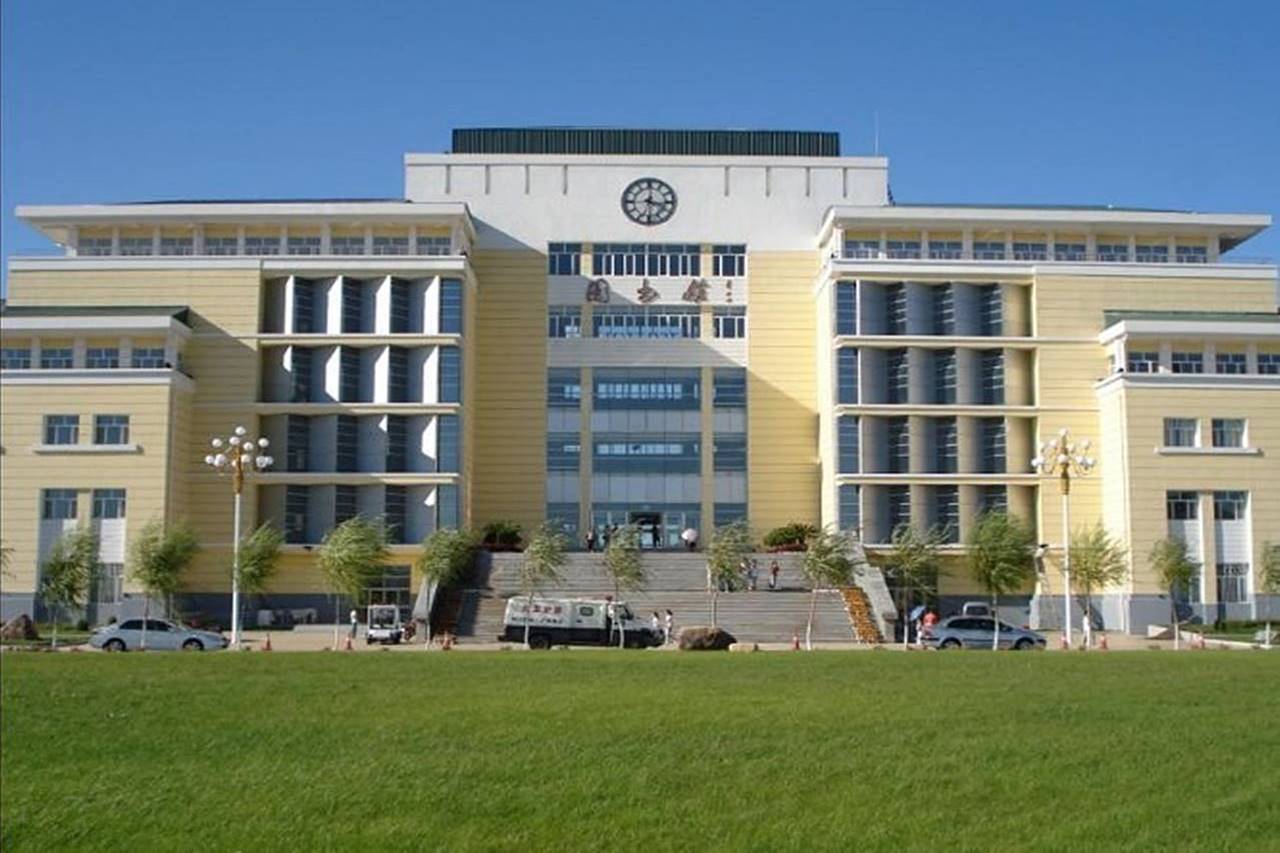
Harbin Medical University (HMU) stands out as a top choice for international students pursuing an MBBS degree in China. The university offers a structured, high-quality curriculum recognized by major global medical councils, including the WHO and the Medical Council of India. Primary considerations for students include language of instruction, clinical exposure, campus facilities, and the university’s recognition status. Understanding these elements upfront ensures informed decision-making and a smoother transition into medical education abroad.
Study Sphere Advisors leverages years of experience assisting international students with study visa processes, cultural acclimatization, and academic planning, providing insights into what to expect when enrolling in HMU.
Overview of MBBS Program at Harbin Medical University
The MBBS program at HMU spans six years, combining theoretical knowledge with hands-on clinical training. English is the medium of instruction for international students, which reduces language barriers while ensuring medical terminology is universally understood. The program is structured to meet global medical standards, preparing students for licensing exams and postgraduate opportunities worldwide.
Core Program Features
| Feature | Description |
|---|---|
| Duration | 6 years (including 1-year internship) |
| Language | English for international students |
| Recognition | WHO, UNESCO, Medical Council of India (MCI) |
| Clinical Training | Integrated from the 4th year onward in affiliated hospitals |
| Intake | Twice a year (March and September) |
Bonus Tip: Early engagement with clinical exposure in affiliated hospitals enhances practical understanding and improves performance in later years.
Living in Harbin for International Students
Harbin is known for its cold climate, cultural richness, and affordable living options. Students should prepare for temperatures as low as -20°C in winter, which affects daily routines and transportation. Housing is available both on-campus and off-campus, with options ranging from shared dormitories to private apartments.
Practical Considerations
| Aspect | On-Campus Housing | Off-Campus Housing |
|---|---|---|
| Accessibility | Walking distance to classrooms | May require commuting |
| Cost | Economical, includes utilities | Slightly higher, more privacy |
| Amenities | Shared kitchens, laundry, common rooms | Fully equipped kitchens, personal space |
| Safety | High campus security | Varies by location |
Bonus Tip: Investing in thermal clothing and proper insulation for apartments ensures comfort during Harbin’s extreme winters.
Academic Environment and Clinical Exposure
HMU emphasizes a balance of theory and practice. International students benefit from modern laboratories, well-stocked libraries, and hospital attachments. Clinical rotations begin in the fourth year, covering internal medicine, surgery, pediatrics, gynecology, and emergency care.
| Department | Key Training Focus |
|---|---|
| Internal Medicine | Patient diagnosis, lab tests, case management |
| Surgery | Preoperative care, operative procedures, post-op follow-up |
| Pediatrics | Child healthcare, immunizations, neonatal care |
| Gynecology & Obstetrics | Maternal care, labor management, reproductive health |
| Emergency Medicine | Trauma care, acute patient management |
Market Data: According to UNESCO 2024, over 60,000 international students enroll in medical programs in China annually, with HMU ranking among the top 10 for clinical exposure and research opportunities.
Things to Consider Before Making a Decision
-
Language Skills: While the program is in English, daily interactions outside the classroom may require basic Mandarin knowledge.
-
Cultural Adaptation: Understanding Chinese culture and academic expectations enhances student experience.
-
Healthcare System Familiarity: Familiarity with local healthcare protocols prepares students for clinical rotations.
-
Accreditation Verification: Ensure the degree meets requirements for practice in your home country.
Bonus Tip: Connect with senior international students through university forums for first-hand advice on academic and social life.
Services Study Sphere Advisors Offers for International Students
-
Study Visa Assistance – Guidance through documentation and approval process for Chinese student visas.
-
Student Orientation Planning – Cultural, academic, and city orientation to ease transition.
-
Academic Counseling – Assistance in program selection, exam preparation, and career guidance.
-
Pre-Departure Briefings – Practical insights on housing, climate preparation, and local transportation.
Common Questions About MBBS in China
How is the MBBS program structured for international students
The program combines classroom lectures, lab work, and clinical rotations, ensuring both theoretical knowledge and practical experience.
What are the eligibility criteria
Completion of higher secondary education with science subjects (Physics, Chemistry, Biology) and meeting minimum academic performance thresholds.
Is prior knowledge of Mandarin required
Basic Mandarin helps in daily interactions, but English is sufficient for academic requirements.
How are clinical rotations arranged
Students rotate through affiliated hospitals in and around Harbin starting from the fourth year, gaining exposure to various specialties.
Questions About Long-Term Prospects
Can graduates practice medicine in other countries
Yes, HMU’s MBBS degree is recognized by WHO and several national medical councils. Graduates can pursue licensing exams abroad.
What career paths are available after graduation
Opportunities include clinical practice, research, medical education, and specialization programs internationally.
How competitive is the internship placement
HMU ensures structured internship opportunities in its affiliated hospitals, with placements aligned to the student’s academic performance.
How does HMU support international students academically
The university offers English-taught courses, library resources, tutoring, and mentorship programs to support learning.
Conclusion
Choosing MBBS at Harbin Medical University provides structured medical education with strong global recognition. Prospective students must evaluate climate, cultural adaptation, and clinical exposure requirements before committing. Planning ahead, leveraging guidance services, and engaging in practical experiences ensures a successful academic journey.
Leave a Reply