
Introduction
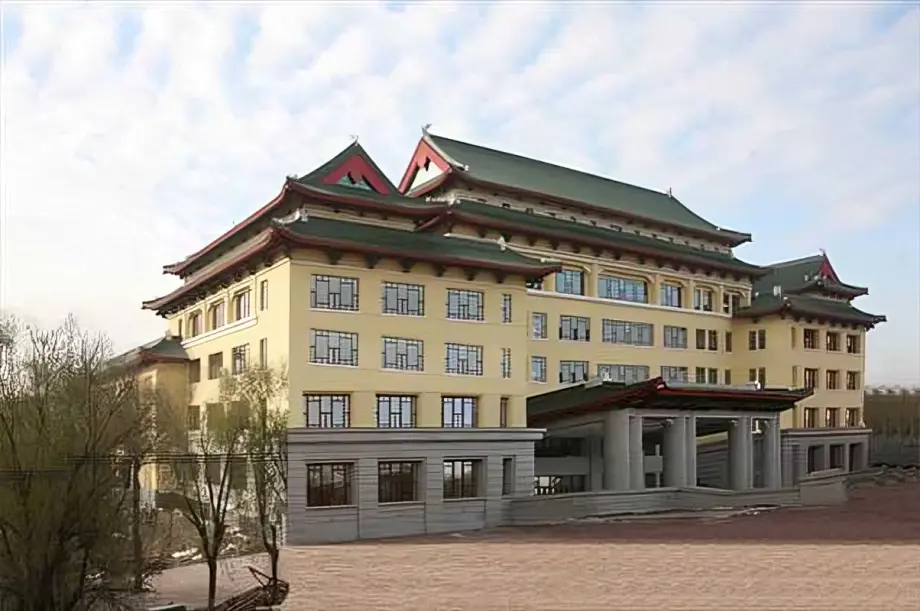
MBBS in China at Harbin Medical University is a structured and academically credible pathway for Iranian students seeking an internationally aligned medical degree with strong clinical exposure. The university operates under China’s Ministry of Education, follows globally accepted medical curricula, and offers an English-taught MBBS program designed for international students who plan to pursue medical licensing beyond China.
This guide delivers experience-based and regulation-focused insight developed through long-term evaluation of Chinese medical education systems and international student outcomes. The purpose is to present verified facts, real-world considerations, and decision-critical information without promotional framing, allowing informed academic planning based on evidence rather than assumptions.
Academic Standing and Global Recognition
Harbin Medical University is among China’s long-established medical institutions with a strong emphasis on clinical research, hospital-based teaching, and applied medical sciences. The university is listed in the World Directory of Medical Schools, confirming international recognition for primary medical education. According to the World Health Organization and World Federation for Medical Education alignment records, programs structured under China’s national medical framework meet baseline global medical education standards.
The MBBS program follows a six-year structure combining pre-clinical sciences, system-based medicine, and supervised clinical rotations. Teaching hospitals affiliated with the university expose students to a wide patient demographic, which strengthens diagnostic reasoning and clinical adaptability.
Program Structure and Training Framework
The MBBS curriculum emphasizes a gradual transition from theory to practice. Early academic years focus on foundational sciences, while later years prioritize hospital-based learning and patient interaction. Instruction takes place in English; however, clinical exposure involves real-world hospital environments where Mandarin is commonly used.
Below is a consolidated view of the program’s technical and academic framework.
| Academic Element | Details |
| Degree Awarded | Bachelor of Medicine, Bachelor of Surgery |
| Program Duration | 6 years including internship |
| Medium of Instruction | English |
| Clinical Training | Affiliated teaching hospitals |
| Regulatory Authority | Ministry of Education, China |
Practical experience shows that students who begin basic Mandarin language adaptation by the second academic year communicate more effectively during clinical rotations and gain confidence in patient-facing environments.
Relevance for Iranian Students
Iranian students generally meet the academic prerequisites without structural mismatch, as the Iranian secondary education system aligns well with science-based admission criteria used by Chinese medical universities. This reduces equivalency delays during document verification.
Climate remains one of the most significant adjustment factors. Harbin is known for extended winters and sub-zero temperatures. Students unprepared for cold-weather living may face routine disruption during initial semesters. Academic continuity improves when climate adaptation is planned in advance.
Cultural transition also plays a role. Harbin hosts a balanced international student population rather than a concentrated foreign-student enclave. This environment promotes deeper integration into academic and hospital settings rather than isolation within international-only groups.
Comparison With Other MBBS Destinations in China
While several Chinese universities offer MBBS programs, Harbin Medical University differs in environment, clinical exposure, and academic pacing. The comparison below highlights decision-relevant differences.
| Evaluation Factor | Harbin Medical University | Coastal Medical Universities |
| Climate | Cold continental | Mild to humid |
| Clinical Exposure | Early and structured | Often later-stage |
| Research Orientation | Strong medical research focus | Mixed emphasis |
| International Student Density | Moderate | High |
| Patient Interaction | Extensive hospital exposure | Variable |
Data from China’s Medical Education Statistics Report indicates that inland universities often provide earlier clinical immersion compared to urban coastal institutions, where patient access can be more restricted for international cohorts.
Licensing and Career Continuity
Graduation from Harbin Medical University enables eligibility to sit for medical licensing examinations based on the regulations of the destination country. Iranian graduates must comply with Iranian Medical Council requirements, which typically include degree verification and national examination processes.
International mobility depends more on post-graduation examination performance than the country of study. Programs aligned with WFME standards, such as those in China, maintain structural compatibility with global licensing systems, according to WFME framework publications.
Factors to Assess Before Finalizing a Decision
Choosing a medical university requires evaluation beyond academic rankings. Long-term outcomes depend on personal adaptability and regulatory alignment.
Climate tolerance affects attendance consistency and daily routine. Language adaptability influences clinical confidence and learning efficiency. Licensing pathways determine whether the degree aligns with long-term professional goals. Cultural distance affects mental well-being and academic persistence. Internship structure impacts practical readiness after graduation.
Experience indicates that students who prepare early for licensing exams and language adaptation perform more consistently during final academic years.
How Study Sphere Advisors Supports This Academic Pathway
Study sphere advisors operates from a compliance-first and accuracy-driven advisory model, focusing on structured guidance rather than promotional placement.
- Student Visa Processing
Academic documentation and immigration alignment to prevent enrollment delays. - Study Visa Advisory
Regulation-based guidance tailored to Chinese education and immigration frameworks. - Business Visa Assistance
Support for guardians or academic representatives requiring short-term travel access. - Work Visa Guidance
Information-based support for post-study regulatory transitions where applicable.
Common Questions Students Ask Before Applying
Does climate significantly affect academic performance
Climate adjustment affects routine but does not impact academic standards. Preparation minimizes disruption.
Is Mandarin mandatory for the MBBS program
Instruction occurs in English, but basic Mandarin improves clinical interaction.
Are degrees accepted for licensing outside China
Acceptance depends on national medical councils and examination outcomes.
How competitive is clinical exposure
Patient access remains structured and consistent through affiliated hospitals.
Key Questions After Enrollment
How early do clinical rotations begin
Clinical exposure typically starts after foundational medical sciences are completed.
Can students transfer to another university later
Transfers depend on institutional and regulatory approval and remain limited.
How is internship supervision structured
Internships operate under hospital faculty supervision following national guidelines.
Does research participation affect career prospects
Research involvement strengthens postgraduate and specialization applications.
Final Words
MBBS in China at Harbin Medical University offers Iranian students a regulated, clinically focused, and internationally aligned medical education pathway. Academic structure, early patient exposure, and global recognition define its value, while climate and language adaptation remain key personal considerations. Final decisions should align academic goals with long-term licensing and lifestyle readiness.
Leave a Reply