
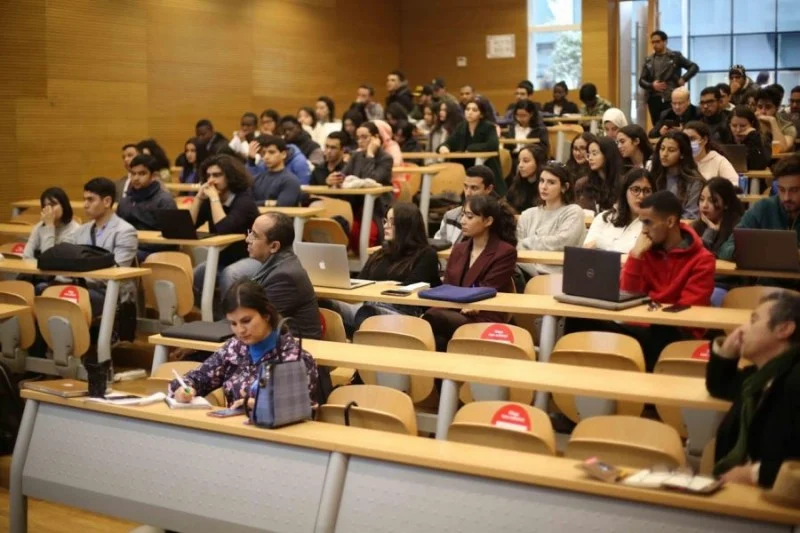
North China University of Science & Technology (NCUST) is attracting Moroccan students for MBBS primarily because it offers internationally aligned medical education, structured clinical exposure, and an English-medium learning environment that supports international students. Moroccan medical aspirants often evaluate universities based on academic recognition, hospital-based training, and global licensing compatibility. NCUST meets these expectations through modern medical facilities, research-focused training, and partnerships with large teaching hospitals.
Insights gathered through educational advisory experience show that Moroccan students prioritize universities that combine academic rigor with practical clinical exposure. NCUST has developed a reputation among international medical applicants for delivering structured medical education, hands-on hospital rotations, and an academic environment that aligns with international medical licensing pathways. The following sections explain the academic structure, institutional strengths, and practical considerations that make NCUST an increasingly popular MBBS destination.
Academic Structure That Supports International Medical Education
NCUST operates under China’s national medical education framework, which focuses heavily on integrating theoretical learning with hospital-based clinical training. This structure benefits international students who intend to pursue medical licensing examinations in different countries after graduation.
Medical education at NCUST generally follows a structured progression that includes:
-
Foundational medical sciences
-
Pre-clinical laboratory training
-
Hospital-based clinical rotations
-
Internship within affiliated hospitals
This layered structure allows students to gradually transition from classroom learning to patient-centered clinical practice.
Global demand for international medical education has grown steadily. According to UNESCO Institute for Statistics, China hosts over 490,000 international students across multiple disciplines, including medicine. Medical universities with English-medium MBBS programs have seen increased enrollment from regions such as North Africa, including Morocco.
Key Academic Specifications of the MBBS Program at NCUST
| Academic Element | Details |
|---|---|
| Program Duration | 6 Years including internship |
| Medium of Instruction | English for international students |
| Clinical Training | Conducted in affiliated teaching hospitals |
| Teaching Structure | Classroom learning + clinical practice |
| Research Exposure | Medical laboratories and research departments |
| Student Population | International student community including African and Asian students |
| Degree Outcome | Bachelor of Medicine and Bachelor of Surgery equivalent |
These structured academic components help students build strong theoretical foundations while gaining clinical experience in real hospital environments.
Institutional Features That Appeal to Moroccan Students
Several institutional features explain the growing interest from Moroccan applicants.
Large Teaching Hospital Network
NCUST operates affiliated hospitals that handle a high patient volume. This environment provides medical students with exposure to diverse clinical cases and hands-on learning opportunities.
Practical training in such hospitals allows students to observe diagnostic procedures, patient management, and treatment protocols under supervision.
English-Medium Medical Education
Language barriers often discourage international students from studying abroad. NCUST addresses this concern by delivering the MBBS program in English for international cohorts.
This structure allows Moroccan students to focus on medical concepts rather than language translation during lectures and clinical training.
Academic Research Opportunities
The university supports medical research through laboratories and academic collaborations. Students interested in academic medicine or postgraduate specialization benefit from early exposure to research methods and clinical investigations.
According to the World Health Organization Global Health Observatory, international medical education institutions with research-based training produce graduates who adapt more easily to modern healthcare systems.
Bonus Tip: Speak with current international students when possible. First-hand feedback often reveals practical insights not found in official brochures.
Comparison With Other International MBBS Destinations
Moroccan students commonly compare multiple countries before selecting a medical university. The following table highlights major academic factors influencing this decision.
| Evaluation Factor | China Medical Universities | Eastern Europe Medical Schools | Private Medical Colleges in Some Regions |
|---|---|---|---|
| Clinical Exposure | High due to large hospitals | Moderate | Varies by institution |
| Research Infrastructure | Well developed in many universities | Moderate | Limited in some colleges |
| International Student Support | Structured international programs | Available but varies | Often limited |
| Patient Case Diversity | High due to population size | Moderate | Moderate |
| English-Medium Programs | Widely available | Available | Limited in some institutions |
These differences explain why China continues to attract international medical students from developing and emerging regions.
Practical Considerations Before Choosing an International Medical University
Selecting a medical university requires evaluating several factors beyond academic reputation. Moroccan students typically review the following points before making a final decision.
Licensing Compatibility
Medical graduates must confirm whether the university’s degree aligns with licensing exams required in their home country or other countries where they plan to practice.
Clinical Training Quality
Hospitals associated with the university should provide adequate patient exposure and supervised clinical learning.
International Student Environment
A diverse international student community helps students adapt socially and academically.
University Recognition
Students must verify recognition by relevant global medical directories and regulatory bodies.
Bonus Tip: Review the hospital network connected to the university. Strong hospital partnerships usually indicate better clinical training opportunities.
Visa and Admission Guidance Services Provided
Study sphere advisors provides structured support for students planning international education pathways. The focus remains on simplifying complex administrative processes associated with studying abroad.
Student Visa Assistance
Documentation guidance and visa application preparation for international study destinations.
Study Visa Consultation
Evaluation of academic profiles and identification of suitable universities and programs.
Business Visa Assistance
Support for individuals traveling abroad for educational partnerships or academic collaboration visits.
Work Visa Guidance
Information and assistance for graduates seeking international employment opportunities.
Questions Moroccan Applicants Often Ask Before Choosing a Medical University
How important are teaching hospitals when selecting a medical university
Teaching hospitals determine the quality of clinical exposure. Universities with large affiliated hospitals provide more patient interactions and broader clinical experience.
Does English-medium instruction affect learning outcomes
English-medium instruction allows international students to understand complex medical subjects without language barriers. This improves comprehension during lectures and clinical training.
How significant is research exposure during medical education
Research experience strengthens analytical thinking and prepares students for specialization programs, postgraduate medical training, or academic careers.
Important Questions Students Ask After Starting Their Medical Journey
How can medical students prepare early for international licensing exams
Early preparation involves focusing on clinical reasoning, evidence-based medicine, and practicing standardized exam formats.
What strategies help international students adapt to clinical training environments
Active participation in hospital rotations, communication with supervising doctors, and maintaining detailed clinical notes help improve practical skills.
Does international exposure benefit long-term medical careers
Exposure to diverse healthcare systems helps students develop broader clinical perspectives and adapt to global medical practices.
How can students balance academic study with clinical training
Time management, consistent revision of clinical cases, and collaboration with peers support academic and clinical balance.
What role does research play in medical specialization
Research experience strengthens residency applications and demonstrates the ability to contribute to medical advancements.
Final Perspective
North China University of Science & Technology attracts Moroccan students because it combines structured medical education, hospital-based clinical training, and an international academic environment. These elements align with the expectations of students seeking globally relevant medical education.
Future medical students benefit from evaluating university recognition, clinical training quality, and long-term career goals before selecting a program. Careful research and informed decision-making remain essential when pursuing international medical education.
Leave a Reply