
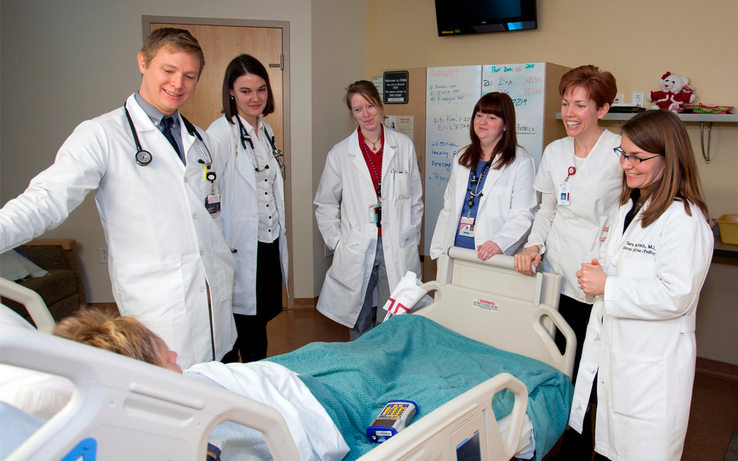
North China University of Science & Technology (NCUST) is gaining traction among Russian MBBS students due to its structured English-medium curriculum, strong clinical exposure, and alignment with international licensing standards. The university offers a balanced approach that combines theoretical foundations with hospital-based practical training, which directly supports students aiming to practice in Russia or other regulated medical systems.
From an advisory standpoint, Study sphere advisors has observed a clear shift in student preferences toward universities that provide predictable academic pathways and globally accepted training models. NCUST meets these expectations by maintaining standardized teaching, accessible faculty support, and a stable academic environment. This article breaks down the key reasons behind this growing demand using practical insights and verified data.
Academic Structure That Aligns With Russian Licensing Pathways
NCUST follows a curriculum designed around global medical education frameworks. This structure helps Russian students transition more smoothly into licensing exams such as FMGE or equivalent assessments.
Key academic elements
| Academic Component | Details | Relevance for Russian Students |
|---|---|---|
| Medium of Instruction | English | Eliminates language barriers in medical training |
| Curriculum Design | Integrated theory + clinical modules | Matches international licensing standards |
| Clinical Exposure | Begins in mid-program | Supports practical exam readiness |
| Internship Model | Hospital-based rotations | Builds real-world competency |
According to the World Directory of Medical Schools (WDOMS), universities with early clinical exposure show better licensing exam outcomes due to practical familiarity (Source: WDOMS, 2024).
Clinical Training Environment and Hospital Integration
Clinical exposure remains a decisive factor for MBBS aspirants. NCUST is affiliated with multiple teaching hospitals that provide structured patient interaction under supervision.
Why this matters
- Direct exposure to diverse medical cases improves diagnostic skills
- Supervised rotations ensure safe and guided learning
- Practical learning reduces dependency on theoretical memorization
Bonus Tip: Students benefit more when clinical rotations begin earlier. Prioritize universities where hospital exposure starts before the final year.
Recognition and Global Acceptance of Degree
NCUST holds recognition from major medical education directories, which strengthens its credibility for international students.
Recognition status overview
| Recognition Body | Status | Impact |
|---|---|---|
| WHO (via WDOMS listing) | Recognized | Enables global verification |
| ECFMG | Eligible | Allows US licensing pathway |
| National Medical Commission (India) | Listed | Supports FMGE eligibility |
| Russian Medical Authorities | Accepted (case-based) | Requires licensing exam compliance |
The Educational Commission for Foreign Medical Graduates (ECFMG) confirms that graduates from recognized institutions have a defined pathway toward USMLE eligibility (Source: ECFMG, 2025).
Student Environment and Cultural Adaptability
Russian students often prioritize universities that offer a stable, adaptable environment. NCUST provides a multicultural campus with structured international student support.
Practical environment factors
- Dedicated international student offices
- Availability of Russian-speaking peer groups
- On-campus accommodation with academic proximity
- Climate conditions similar to northern regions of Russia
Regional insight
Northern China’s colder climate helps Russian students adapt more easily compared to tropical regions, reducing initial adjustment challenges.
Comparison With Other Chinese Medical Universities
| Criteria | NCUST | Other Tier-2 Universities | Top Tier Universities |
|---|---|---|---|
| Clinical Exposure | Early and structured | Often delayed | Advanced but competitive |
| Student Support | Strong | Moderate | High but selective |
| Admission Process | Streamlined | Flexible | Highly competitive |
| Class Size | Balanced | Larger groups | Smaller groups |
This comparison highlights NCUST’s balanced positioning between accessibility and quality education.
Key Factors Students Evaluate Before Choosing NCUST
Choosing a medical university requires a structured evaluation beyond surface-level features.
Important decision checkpoints
- Verify recognition status with intended licensing country
- Assess clinical exposure timeline and hospital quality
- Evaluate language support and academic assistance
- Review student feedback from verified sources
Bonus Tip: Avoid relying solely on rankings. Focus on curriculum structure and clinical training depth, which directly impact long-term outcomes.
Support Services Available for Students
Study sphere advisors provides structured guidance to help students make informed academic decisions. The following services are most relevant:
- Student Visa Processing
Ensures accurate documentation and compliance with embassy requirements. - Study Visa Consultation
Provides clarity on university selection and application pathways. - Work Visa Guidance (Post-Study)
Helps students understand transition opportunities after graduation. - Business Visa Assistance (For Guardians/Visits)
Supports short-term travel arrangements related to academic needs.
Common Questions Students Ask Before Applying
Is the curriculum fully aligned with international standards
Yes. NCUST follows a structured model combining theory with clinical exposure, aligned with global frameworks.
How early does clinical training begin
Clinical exposure typically starts in the mid-phase of the program, earlier than many comparable institutions.
Does the degree support licensing in Russia
The degree is accepted, but students must pass required licensing exams as per Russian regulations.
Is language a barrier during clinical practice
English is used academically, but basic Chinese communication improves patient interaction during hospital training.
Answers to Long-Term Concerns After Enrollment
How to maintain academic performance in a foreign system
Consistency in practical training and regular revision of clinical concepts ensures stability.
What challenges arise during hospital rotations
Communication with patients can be challenging initially; basic language preparation helps significantly.
How to prepare for licensing exams after graduation
Focus on clinical case studies and standardized exam formats during final years.
Does international exposure improve career options
Yes. Exposure to diverse medical systems builds adaptability and strengthens career flexibility.
Final Thoughts
NCUST’s growing popularity among Russian MBBS students is driven by its structured academic model, early clinical exposure, and global recognition. These factors directly influence licensing success and long-term career outcomes.
A careful evaluation of curriculum design, clinical training, and recognition status ensures better decision-making. Align university selection with long-term professional goals rather than short-term convenience.
Leave a Reply