
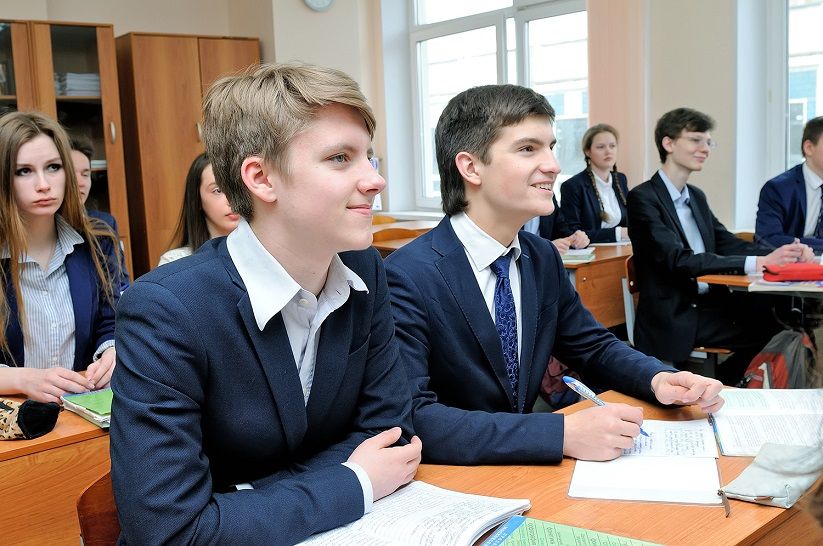
Russian students are increasingly selecting Jiamusi University in China for MBBS due to a combination of globally recognized medical education, English-medium instruction, and structured clinical exposure. The university offers a curriculum aligned with international medical standards while maintaining accessibility in terms of admission criteria and academic progression.
From an advisory standpoint, Study sphere advisors has consistently observed that students prioritizing practical training, global recognition, and a multicultural learning environment tend to shortlist Jiamusi University. This article delivers a clear, experience-based breakdown of why this trend is growing and what factors truly influence this decision.
Academic Structure and Global Recognition
Jiamusi University operates under China’s Ministry of Education and is listed among institutions authorized to offer MBBS programs to international students. The degree is recognized in multiple regions, provided students meet licensing requirements in their home country after graduation.
Key academic features
- English-medium MBBS program for international students
- Structured clinical rotations in affiliated hospitals
- Curriculum aligned with global medical education standards
- Emphasis on both theoretical knowledge and hands-on training
Reliable data indicates that China hosts over 45,000 international medical students, with a steady increase from countries including Russia (Ministry of Education, China, 2024). This reflects growing trust in Chinese medical institutions.
Technical Overview of MBBS Program at Jiamusi University
The following table outlines essential academic and structural details relevant for Russian students evaluating the program:
| Program Component | Details |
|---|---|
| Degree Awarded | Bachelor of Medicine and Bachelor of Surgery (MBBS) |
| Program Duration | 6 years (including internship) |
| Medium of Instruction | English |
| Clinical Training | Conducted in affiliated teaching hospitals |
| Recognition | Listed by WHO and approved by relevant authorities |
| Intake Period | Typically September annually |
| Internship Structure | Final-year compulsory clinical rotation |
This structured format ensures that students receive both academic grounding and real-world medical exposure.
Why Russian Students Find It Suitable
Russian students often compare domestic and international medical pathways before making a decision. Jiamusi University stands out due to specific academic and environmental advantages.
Climate and regional adaptability
Jiamusi is located in Heilongjiang province, which experiences cold winters similar to many regions in Russia. This reduces environmental adjustment challenges and helps students adapt faster compared to tropical regions.
Bonus Tip: Students familiar with colder climates often maintain better academic consistency during initial semesters due to reduced environmental stress.
Language and academic transition
The availability of English-medium instruction allows Russian students to bypass language barriers commonly faced in non-English programs. At the same time, basic Chinese language training is integrated, improving clinical communication during hospital rotations.
Cultural familiarity
China and Russia share geographic proximity and certain cultural overlaps, including food habits in northern China and social structures. This eases the transition process for students relocating for long-term study.
Comparative Perspective with Other Study Destinations
Russian students often evaluate multiple countries before selecting a medical university. The comparison below highlights key decision factors:
| Factor | China (Jiamusi University) | Russia (Local Universities) | Other Countries |
|---|---|---|---|
| Medium of Instruction | English available | Mostly Russian | Varies |
| Clinical Exposure | High patient volume | Moderate | Varies |
| Global Recognition | Widely recognized | Regionally strong | Depends on country |
| Cultural Adaptation | Moderate to easy | Easy | Often challenging |
| Admission Process | Structured and predictable | Competitive | Complex in some regions |
UNESCO education mobility data shows Asia as a growing hub for international students, with China ranking among the top destinations (UNESCO Institute for Statistics, 2023).
Practical Insights from Student Trends
Experience-based observations indicate that Russian students who succeed in Chinese medical universities follow certain patterns:
- Early adaptation to clinical environments improves performance
- Active participation in hospital rotations builds confidence
- Learning basic Mandarin enhances patient interaction
Bonus Tip: Students who engage with local communities during internships develop stronger diagnostic communication skills.
Key Factors to Evaluate Before Choosing This Path
Before finalizing Jiamusi University, several critical aspects require careful evaluation:
- Accreditation status in the intended country of medical practice
- Language adaptability for clinical years
- Internship recognition and licensing requirements
- Long-term career goals including specialization plans
These factors directly influence the overall success of the MBBS journey.
Study Pathways and Support Services Available
Study sphere advisors provides structured support aligned with the needs of students pursuing international education pathways.
- Student Visa Assistance
Guidance through documentation and compliance for study permits. - Study Visa Consultation
Evaluation of eligibility and academic alignment before application. - Business Visa Services
Support for guardians or sponsors requiring travel documentation. - Work Visa Guidance
Advisory for post-study opportunities where applicable.
These services address key logistical challenges without influencing academic decision-making.
Common Decision-Making Questions Answered
Is the MBBS degree valid globally?
The degree is recognized in many countries, but licensing exams are required based on the country of practice.
How difficult is adaptation for Russian students?
Climate similarity and structured programs make adaptation manageable compared to other regions.
Does clinical exposure meet international standards?
Affiliated hospitals provide high patient flow, which supports practical learning.
Is English proficiency mandatory?
Yes, as the program is conducted in English, and academic success depends on comprehension and communication.
Answers to Important Questions After Enrollment
How can students improve clinical communication in China?
Learning basic Mandarin phrases and practicing during hospital rotations improves interaction with patients.
What challenges appear during internships?
Initial communication gaps and workflow differences may occur but reduce with consistent exposure.
How should students prepare for licensing exams?
Early preparation aligned with international exam formats helps maintain readiness.
Can students pursue specialization after MBBS?
Yes, depending on licensing and country-specific requirements.
What study habits work best in this environment?
Consistent revision combined with practical application during clinical training delivers the best outcomes.
Conclusion
Jiamusi University offers a structured, internationally aligned MBBS program that meets the expectations of many Russian students seeking global medical education. The combination of academic quality, clinical exposure, and environmental familiarity makes it a practical choice.
A careful evaluation of licensing requirements, language adaptability, and long-term goals remains essential before making a final decision.
Leave a Reply