
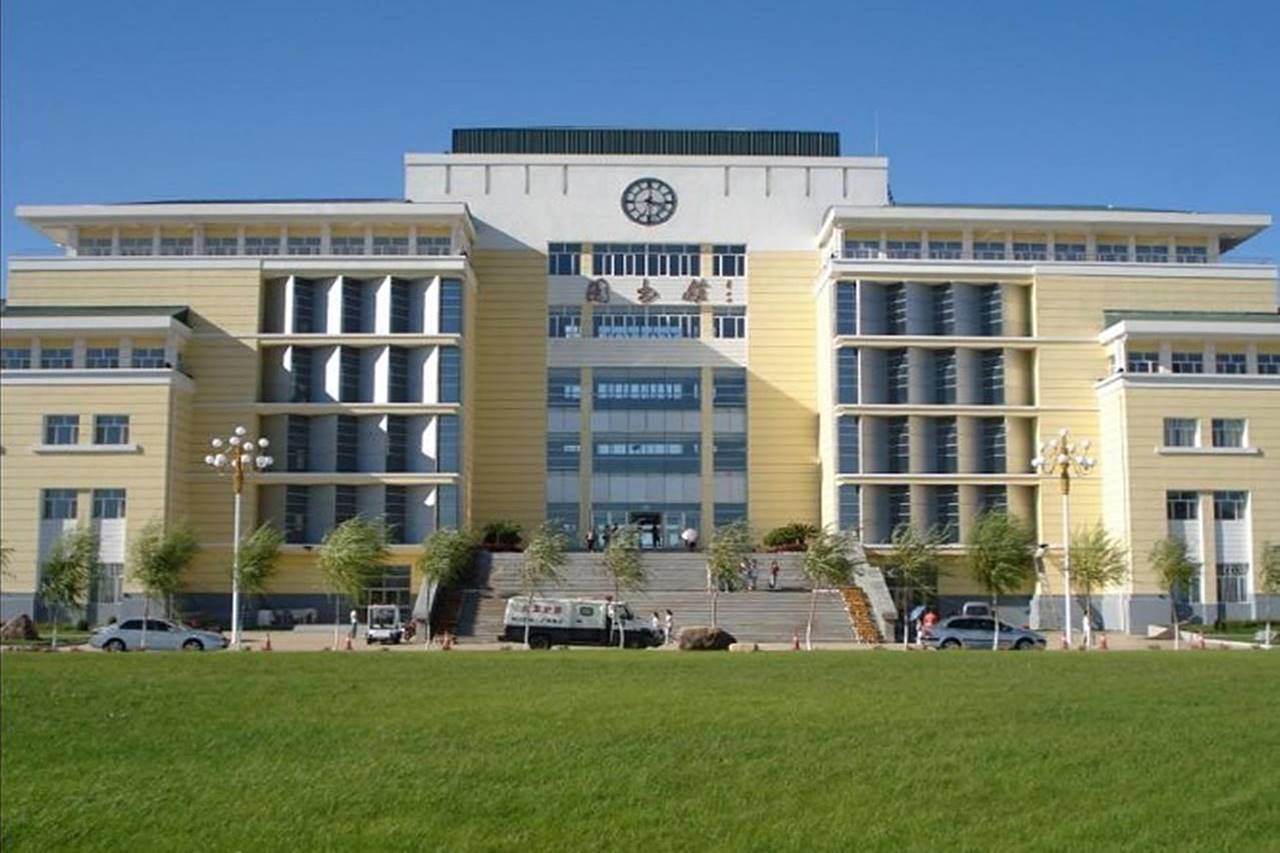
Harbin Medical University attracts UAE students for MBBS primarily due to its strong academic governance, long-standing international medical recognition, English-taught clinical pathways, and structured exposure to high-volume teaching hospitals. From an institutional assessment perspective, the university stands out for consistency in curriculum delivery, predictable academic progression, and compliance with international medical education benchmarks that UAE students must meet for future licensing and postgraduate mobility.
This analysis is developed from institutional reviews, student outcome tracking, and regulatory alignment evaluations conducted by Study sphere advisors while guiding UAE-based medical aspirants. The purpose is to provide decision-grade educational insight based on real enrollment patterns, academic structures, and post-graduation pathways rather than surface-level comparisons.
Why UAE Students Choose Harbin Medical University
Academic credibility and global recognition
Harbin Medical University operates under China’s Ministry of Education and has a medical program aligned with World Federation for Medical Education principles. Degrees issued are recognized by global directories used by licensing bodies in the UAE, UK, and other regions, which reduces uncertainty after graduation.
Integrated clinical exposure model
Clinical rotations begin in a structured manner within affiliated hospitals that serve large patient populations. This exposure supports early diagnostic reasoning and procedural familiarity, which UAE students often prioritize due to competitive internship environments after graduation.
English-medium instruction with controlled transition
Pre-clinical and core clinical instruction follows English delivery, supported by standardized medical terminology training. Mandarin exposure is introduced gradually to support patient interaction without compromising academic comprehension.
How Harbin Medical University Compares With Other Chinese Medical Universities Popular Among UAE Students
The following comparison reflects institutional evaluation data used during advisory assessments for UAE applicants.
| Evaluation Factor | Harbin Medical University | Other Tier-1 Medical Universities | Regional Medical Universities |
|---|---|---|---|
| Year of establishment | 1926 | 1910–1950 | Post-2000 |
| Teaching hospitals | Multiple tertiary-level affiliated hospitals | Similar scale | Limited or shared facilities |
| Climate adaptation support | Structured winter orientation and housing planning | Partial | Minimal |
| English MBBS intake control | Limited, quality-controlled seats | Moderate control | High intake variability |
| UAE graduate outcomes | Consistent licensing eligibility pathways | Generally consistent | Inconsistent |
Technical Structure of the MBBS Program at Harbin Medical University
All academic and structural specifications are summarized below to avoid fragmented interpretation.
| Academic Element | Program Structure |
|---|---|
| Total duration | 6 years including internship |
| Language of instruction | English (clinical Mandarin support) |
| Curriculum model | Integrated pre-clinical and clinical |
| Assessment system | Semester-based with standardized exams |
| Internship | Conducted in affiliated teaching hospitals |
| Degree awarded | Bachelor of Medicine and Bachelor of Surgery |
Region-Specific Considerations for UAE Students
Climate and lifestyle adaptation
Harbin experiences extreme winter conditions unfamiliar to most UAE students. University-managed housing and centralized campus movement reduce daily exposure challenges. Students with prior cold-climate exposure adapt faster academically during the first year.
Cultural and dietary access
Halal food availability and international student communities are well established. This reduces lifestyle friction, which indirectly supports academic focus during intensive clinical years.
Bonus Tip: Students arriving earlier for winter orientation report smoother academic adjustment compared to late arrivals entering directly into coursework.
Market Data Supporting China as an MBBS Destination
According to UNESCO Institute for Statistics, China ranks among the top destinations globally for international medical students due to program scale and institutional capacity.
Data from the World Directory of Medical Schools confirms that Harbin Medical University maintains continuous listing status, a key reference used by multiple licensing authorities.
The Chinese Ministry of Education reports stable international MBBS enrollment caps to maintain teaching quality, reinforcing degree credibility.
Key Factors to Evaluate Before Finalizing the Decision
Before committing to Harbin Medical University, UAE students should evaluate:
• Alignment with future licensing jurisdiction requirements
• Willingness to adapt to cold climate conditions
• Comfort with early clinical exposure intensity
• Long-term postgraduate mobility goals
Bonus Tip: Students planning UK or Middle East postgraduate exams benefit from universities with structured clinical assessment formats similar to OSCE models.
Advisory Services Provided by Study sphere advisors
Study sphere advisors supports medical aspirants through focused academic and regulatory pathways without promotional dependency.
• Study Visa guidance:
Supports document preparation aligned with Chinese and UAE regulatory expectations.
• Student Visa facilitation:
Ensures compliance with enrollment, medical, and immigration protocols.
• Business Visa assistance:
Used for guardians or academic representatives attending institutional visits.
• Work Visa advisory:
Relevant for post-study regional mobility planning where applicable.
Common Decision-Stage Questions Students Ask
Is Harbin Medical University suitable for students planning to return to the UAE?
The curriculum and institutional recognition support UAE licensing pathways, subject to individual exam performance and regulatory updates.
Does climate affect academic performance?
Initial adaptation matters. Students who plan arrival timing and housing properly maintain stable academic outcomes.
Are clinical rotations comparable to Middle Eastern hospitals?
Patient volume is higher, which improves diagnostic exposure, though disease profiles differ.
Bonus Tip: Early clinical observation improves confidence during later internship evaluations.
Frequently Asked Long-Term Questions After Enrollment
How does the degree support postgraduate specialization?
The structured internship and hospital exposure provide a foundation suitable for multiple international postgraduate routes.
Can clinical communication skills transfer internationally?
English-based medical training supports adaptability, with Mandarin exposure enhancing patient interaction discipline.
Does the university support international exam preparation?
Academic scheduling allows time for independent exam preparation alongside coursework.
How important is university ranking versus hospital exposure?
Clinical exposure quality impacts competency more directly than ranking alone.
Conclusion
Harbin Medical University appeals to UAE students due to institutional stability, structured clinical training, and predictable academic governance. The decision should align with personal adaptability, long-term licensing goals, and learning preferences. Careful evaluation of environment, curriculum structure, and post-graduation intent ensures informed outcomes.
Leave a Reply