
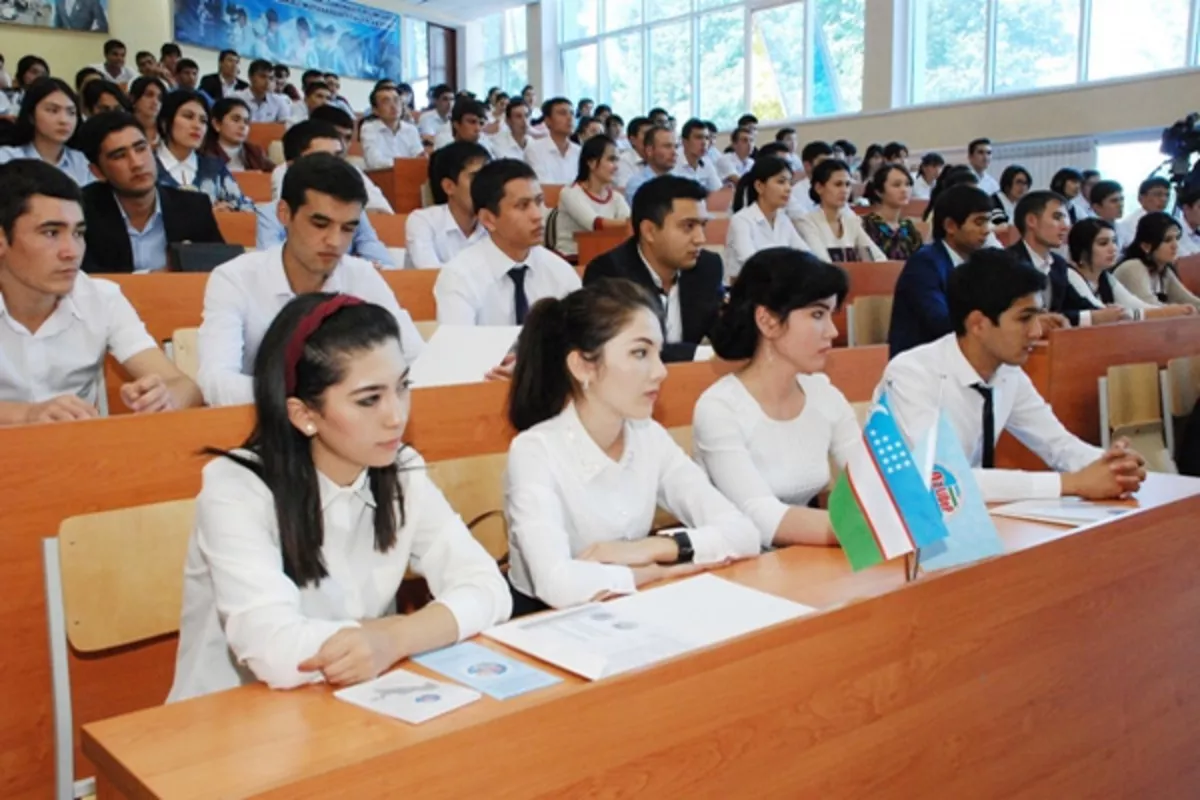
Uzbekistan students increasingly select Jiamusi University in China for MBBS due to a combination of recognized medical curriculum structure, English-medium instruction, and consistent clinical exposure in affiliated hospitals. Admission pathways, eligibility alignment, and academic environment also match the expectations of students transitioning from Central Asian education systems.
Analysis of application patterns handled through Study sphere advisors indicates that students prioritize universities offering stable academic progression, structured internships, and international recognition of degrees. Jiamusi University meets these expectations through standardized teaching methods, accessible faculty support, and integration with hospital-based training, which collectively influence decision-making.
Academic structure aligned with international medical education standards
Jiamusi University follows a curriculum designed to align with global medical education frameworks. The program integrates foundational sciences with clinical exposure at early stages, ensuring gradual skill development.
The teaching model emphasizes problem-based learning, case discussions, and supervised clinical rotations. This structure helps students adapt to real-world diagnostic and treatment environments while maintaining theoretical clarity.
Technical program structure overview
| Component | Description | Academic Outcome |
|---|---|---|
| Pre-clinical phase | Anatomy, physiology, biochemistry | Strong foundational knowledge |
| Clinical phase | Internal medicine, surgery, pediatrics | Applied medical understanding |
| Internship phase | Rotations in affiliated hospitals | Practical patient handling |
| Assessment system | Written exams, practical exams, viva | Competency-based evaluation |
Bonus insight: Students who actively participate in case discussions during clinical rotations tend to develop stronger diagnostic reasoning compared to passive learners.
Language of instruction and classroom accessibility
The MBBS program is delivered in English for international students. This reduces language barriers during lectures, exams, and academic communication. However, basic Chinese language exposure is often integrated to support hospital interactions.
Students from Uzbekistan benefit from structured language support during early semesters, which helps in adapting to patient communication during clinical rotations.
Bonus insight: Early familiarity with medical terminology in English improves comprehension during hospital postings where quick interpretation of symptoms is required.
Clinical exposure and hospital integration
Clinical training is conducted through affiliated hospitals where students observe and assist in patient care under supervision. This exposure begins after foundational subjects are completed.
Students gain experience in departments such as internal medicine, surgery, gynecology, and emergency care. Exposure to diverse patient cases strengthens diagnostic and procedural understanding.
| Clinical Training Element | Learning Focus | Practical Benefit |
|---|---|---|
| Ward rounds | Case observation | Real-time clinical reasoning |
| OPD sessions | Patient interaction | Communication and history taking |
| Surgical observation | Procedure familiarity | Understanding operative workflows |
| Emergency exposure | Acute case handling | Rapid decision-making skills |
Bonus insight: Regular attendance in ward rounds significantly improves the ability to connect textbook concepts with actual patient symptoms.
Recognition and degree validity considerations
The MBBS degree from Jiamusi University is recognized in several international medical directories, which supports graduates planning to pursue licensing exams or further studies abroad.
According to the World Directory of Medical Schools (source: World Federation for Medical Education), institutions listed in the directory are generally eligible for international medical licensing pathways, subject to local regulations. Additionally, China’s Ministry of Education maintains approval for designated universities offering MBBS programs to international students.
These recognitions influence Uzbekistan students who plan long-term medical careers beyond graduation.
Academic environment and student adaptation factors
Students from Uzbekistan often find the academic environment structured and disciplined. The campus environment supports focused study routines, while accommodation and campus facilities are designed for international students.
Climate differences between Uzbekistan and northeastern China are considered during adaptation. Winters can be colder, requiring preparation for seasonal changes. Academic schedules remain consistent, which helps maintain continuity in learning.
Things to evaluate before selecting this university
Decision-making requires careful assessment of academic compatibility, living conditions, and long-term career goals.
- Curriculum alignment with home country licensing requirements
- Comfort with English-medium instruction and basic Chinese exposure
- Access to clinical training opportunities in affiliated hospitals
- Ability to adapt to climate and lifestyle differences
- Recognition of the degree in intended practice regions
Students who evaluate these factors in advance tend to experience smoother academic progression and fewer transitions during later stages.
Services that support academic and visa planning
A structured approach is often required when handling applications and documentation for international medical education.
- Study Visa Assistance:
Guidance on preparing and submitting student visa documentation aligned with embassy requirements. - Student Admission Processing:
Support in organizing academic records, eligibility verification, and university application submission. - Document Review and Compliance:
Detailed checking of transcripts, passports, and supporting documents to ensure accuracy and completeness. - Pre-departure Guidance:
Orientation on travel preparation, accommodation expectations, and academic readiness for international study environments.
These services focus on administrative and procedural support rather than academic delivery, helping streamline the application process.
Common Questions before selecting MBBS in China
What academic background is required for admission
Applicants must have completed secondary education with science subjects such as biology, chemistry, and physics, meeting minimum academic performance criteria set by the university.
Is prior knowledge of Chinese necessary
Initial instruction is delivered in English, but basic Chinese is helpful for hospital interactions during clinical training phases.
How early does clinical exposure begin
Clinical exposure typically starts after completion of pre-clinical subjects, followed by structured rotations in teaching hospitals.
Are students required to pass language assessments
Some programs include basic Chinese proficiency requirements during later stages to ensure effective patient communication.
What type of learning methods are used
The program combines lectures, case-based discussions, laboratory work, and supervised clinical practice to build both theoretical and practical competence.
Final evaluation
Jiamusi University offers a structured MBBS pathway that integrates academic theory with clinical exposure in a consistent and internationally aligned format. Uzbekistan students benefit from English-medium instruction, organized curriculum design, and hospital-based training environments that support gradual skill development.
Careful evaluation of academic readiness, adaptation to living conditions, and long-term career objectives remains essential before making a final decision. Each factor contributes to how effectively a student progresses through medical education and prepares for future licensing pathways.
Leave a Reply