
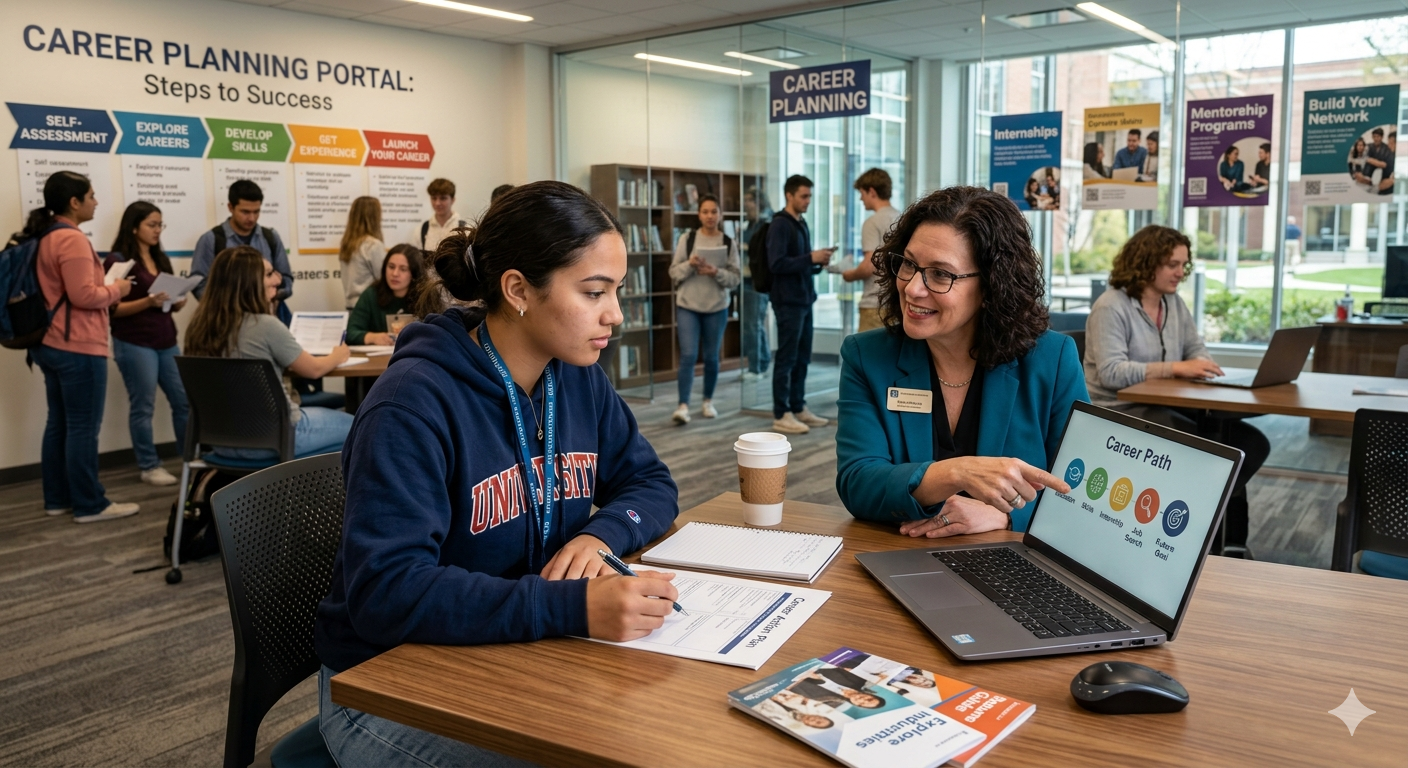
Career planning during higher education helps students make informed academic choices, develop relevant skills, and prepare for employment opportunities before graduation. Students who connect their education with long-term career goals often make better decisions regarding course selection, internships, certifications, networking, and professional development.
Based on extensive experience guiding students through academic and international education pathways, Study sphere advisors has observed that career planning is most effective when it begins early rather than during the final year of study. A structured approach helps students identify strengths, understand industry expectations, and align educational efforts with future opportunities. This article explains why career planning matters, what factors influence it, and how students can make better decisions throughout their educational journey.
How Career Planning Creates Long Term Educational Value
Higher education is no longer limited to earning a degree. Employers increasingly evaluate practical skills, adaptability, communication abilities, and industry experience alongside academic qualifications.
Students who plan their careers early often benefit from:
- Clear academic direction
- Better internship opportunities
- Improved employability skills
- Stronger professional networks
- Greater confidence in career decisions
According to the World Economic Forum Future of Jobs Report 2025, analytical thinking, resilience, leadership, and technology literacy remain among the most valued workforce skills globally. Students who integrate these competencies into their educational journey gain a significant advantage.
Key Areas That Should Be Planned During Higher Education
Academic Specialization
Choosing the right specialization influences future employment opportunities, postgraduate study options, and professional certifications.
Skills Development
Technical and soft skills should develop alongside academic learning.
Industry Exposure
Internships, volunteer work, research projects, and networking events help students understand workplace expectations.
Professional Branding
Building a professional online presence and maintaining a strong portfolio can support future career applications.
Career Exploration
Students should continuously assess career interests as industries evolve and new opportunities emerge.
How Early Planning Compares With Delayed Planning
| Career Planning Factor | Early Planning During Study | Delayed Planning Near Graduation |
|---|---|---|
| Course Selection | Aligned with goals | Often reactive |
| Internship Access | More opportunities available | Limited time to gain experience |
| Skill Development | Progressive improvement | Compressed learning period |
| Professional Network | Builds over several years | Smaller network |
| Career Confidence | Higher clarity | Greater uncertainty |
| Employment Readiness | Strong preparation | Often incomplete preparation |
Career Planning Milestones Across Higher Education
| Education Stage | Recommended Focus Areas | Expected Outcome |
|---|---|---|
| First Year | Self-assessment, career exploration, goal setting | Increased awareness of options |
| Second Year | Skills development, networking, certifications | Stronger career direction |
| Third Year | Internships, industry projects, leadership roles | Practical workplace experience |
| Final Year | Job preparation, portfolio building, interview readiness | Transition into employment or further study |
Research from the National Association of Colleges and Employers (NACE) consistently shows that students with internship experience generally demonstrate stronger employment outcomes than graduates without practical workplace exposure.
Understanding Industry Trends Before Choosing a Career
Career planning requires awareness of changing labor market demands. Industries evolve rapidly due to technology, automation, sustainability initiatives, and globalization.
Students should evaluate:
- Future workforce demand
- Emerging technologies
- Required qualifications
- Professional licensing requirements
- Geographic employment opportunities
- Industry growth forecasts
According to the International Labour Organization (ILO), continuous learning and adaptability have become essential career traits as occupations continue to transform across sectors.
Bonus Tip: Review industry reports annually instead of relying solely on information gathered at the beginning of a degree program. Career requirements often change before graduation.
Important Factors Before Selecting a Career Direction
Before committing to a specific career path, students should evaluate several critical considerations.
| Decision Factor | Why It Matters |
|---|---|
| Personal Interests | Supports long-term motivation |
| Natural Strengths | Improves performance and satisfaction |
| Industry Demand | Influences employment opportunities |
| Educational Requirements | Determines future study commitments |
| Work Environment | Affects lifestyle compatibility |
| Geographic Mobility | Impacts available opportunities |
| Future Skill Requirements | Supports career longevity |
Bonus Tip: Use informational interviews with professionals already working in your preferred field. Real-world insights often reveal opportunities and challenges not visible through online research.
Educational Pathways That Support Career Development
Many students benefit from structured guidance while evaluating education and career opportunities.
Relevant Services Available Through Study sphere advisors
- Study Visa Guidance
Supports students pursuing academic opportunities in international institutions and educational systems. - Student Visa Assistance
Helps students understand documentation requirements and academic mobility processes. - Business Visa Support
Useful for educational conferences, networking events, and international professional exposure. - Work Visa Consultation
Assists individuals exploring legal pathways related to employment opportunities after education.
Questions Students Commonly Ask Before Choosing a Career Path
How do I know if a career suits me?
Assess interests, strengths, preferred work environments, and long-term goals. Practical experiences such as internships provide valuable insight.
Should career planning begin in the first year?
Yes. Early planning creates more time to build skills, gain experience, and make informed academic decisions.
Can career goals change during university?
Yes. Career planning should remain flexible and adapt as students gain knowledge and exposure to different industries.
Are grades the most important factor?
Grades matter, but employers often evaluate communication skills, experience, problem-solving abilities, and professional behavior alongside academic performance.
Answers to Long Term Career Development Questions
How often should students review their career plans?
Review goals at least once per academic year to account for changing interests, industry trends, and educational progress.
What role does networking play in career growth?
Networking provides access to mentorship, industry knowledge, internships, and professional opportunities that may not be publicly advertised.
Should students focus on one career path only?
Exploring multiple related options can create flexibility while maintaining a clear overall direction.
How important are extracurricular activities?
Leadership roles, student organizations, volunteer work, and competitions help develop transferable skills valued by employers.
Can international education improve career opportunities?
International education can broaden cultural understanding, professional networks, and global career perspectives when aligned with specific career objectives.
Key Takeaways for Students
Career planning transforms higher education from a purely academic experience into a strategic preparation process for professional success. Students who identify goals early, develop relevant skills, gain practical experience, and regularly evaluate industry trends are generally better positioned for future opportunities.
Higher education offers more than classroom learning. It provides time to explore interests, build expertise, and prepare for long-term career growth. Students should evaluate personal strengths, industry requirements, and future aspirations before making major educational or professional decisions.
Leave a Reply