
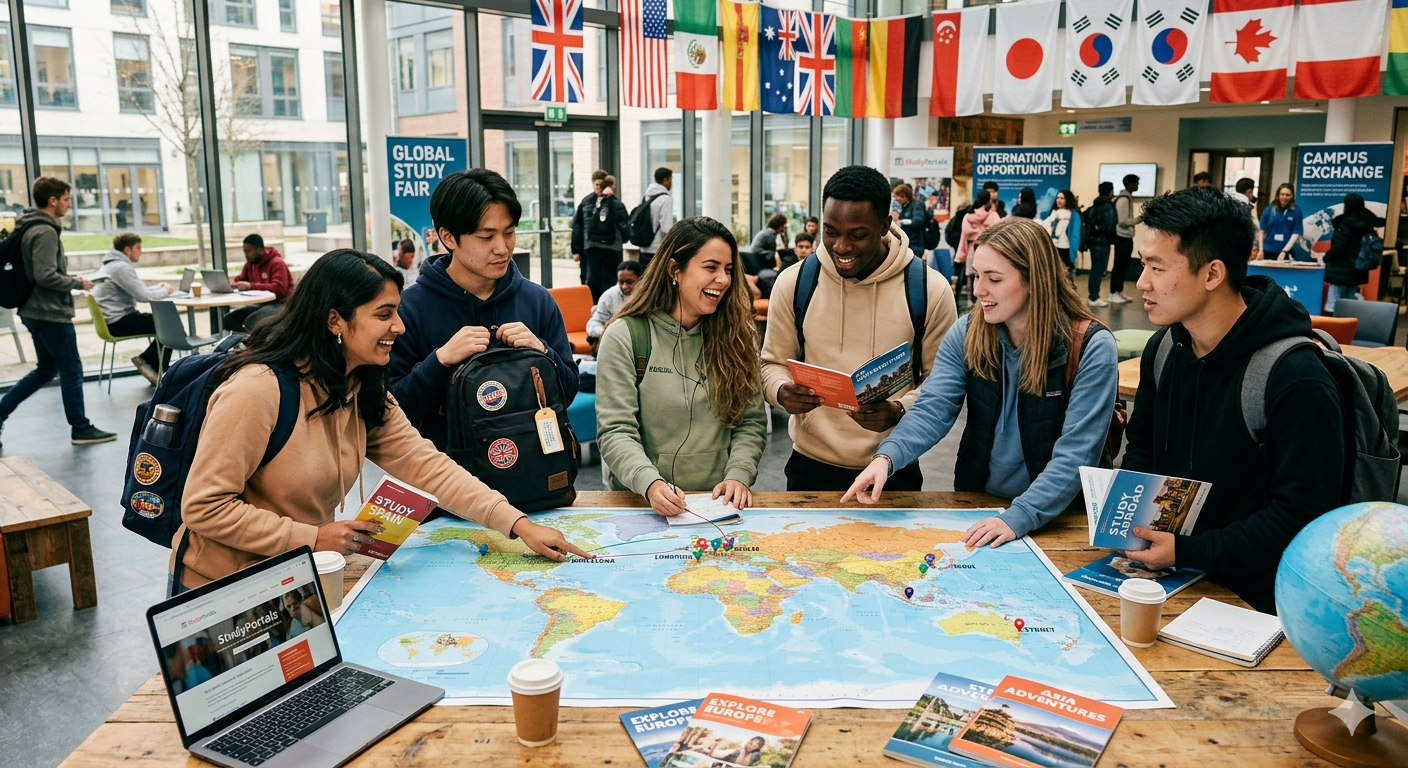
Students are exploring a wider range of international study destinations because higher education has become more global, accessible, and career-focused. Instead of limiting choices to a few traditional countries, students now evaluate academic quality, post-study opportunities, research facilities, industry connections, visa policies, and lifestyle factors across multiple regions.
Based on extensive experience guiding students through international education pathways, Study Sphere Advisors has observed a clear shift in student decision-making. Today’s applicants conduct deeper research, compare destinations more carefully, and prioritize long-term outcomes rather than choosing countries based solely on popularity. This article examines the factors driving this trend and the key considerations students should evaluate before making a decision.
How Student Preferences Are Changing
The international education landscape has evolved significantly over the last decade. Students now have access to more information, global university rankings, virtual campus tours, and direct communication channels with institutions.
Several factors are influencing destination selection:
- Greater availability of English-taught programs
- Increased global recognition of degrees
- Expanding international student support services
- Stronger focus on employability after graduation
- Growth in research and innovation opportunities
According to UNESCO Institute for Statistics, more than 6 million students study outside their home countries globally, reflecting the growing internationalization of higher education.
What Students Compare Before Choosing a Country
Students rarely make decisions based on a single factor. Successful applicants compare multiple variables to determine which destination aligns with their academic and professional goals.
| Key Decision Factor | Why It Matters |
|---|---|
| Academic Reputation | Influences educational quality and degree recognition |
| Employment Opportunities | Affects career development after graduation |
| Visa Regulations | Impacts study and post-graduation options |
| Research Facilities | Important for postgraduate and research-focused students |
| Language Environment | Influences communication and learning experience |
| Student Support Services | Helps international students adapt more effectively |
| Industry Connections | Creates internship and networking opportunities |
| Cultural Compatibility | Affects overall student experience |
Bonus Tip: Review graduate employment outcomes rather than focusing solely on university rankings. Career success often depends on industry exposure and practical experience.
Emerging Study Destinations Attracting Global Students
Traditional destinations remain popular, but students increasingly consider alternative countries offering strong education systems and unique opportunities.
| Destination Region | Key Strengths | Popular Fields |
|---|---|---|
| North America | Research, innovation, industry partnerships | Engineering, Business, Medicine |
| United Kingdom | Globally recognized degrees | Law, Finance, Management |
| Australia | Practical learning environment | Healthcare, IT, Environmental Sciences |
| Europe | Diverse educational systems | Engineering, Social Sciences, Technology |
| China | Rapid academic development | Medicine, Engineering, International Business |
| Malaysia | International branch campuses | Business, Hospitality, Computing |
| UAE | Regional business hub | Management, Aviation, Technology |
According to QS World University Rankings and OECD education data, international student mobility continues expanding into emerging education markets due to increasing academic competitiveness and global recognition.
Academic and Career Outcomes Drive Decision Making
Modern students focus heavily on outcomes after graduation.
Universities that provide industry collaboration, internships, research participation, and practical training often attract greater interest. Students increasingly seek institutions that bridge academic learning with workplace readiness.
Skills Students Want to Develop
| Skill Area | Importance in Global Workforce |
|---|---|
| Critical Thinking | Supports complex problem solving |
| Cross-Cultural Communication | Essential in international workplaces |
| Digital Competency | Required across most industries |
| Research Skills | Valuable in academic and professional settings |
| Leadership | Supports long-term career advancement |
| Adaptability | Helps navigate changing work environments |
Bonus Tip: Research internship availability within the chosen destination. Practical experience often strengthens employability more than academic credentials alone.
Climate and Regional Factors Students Often Overlook
Many applicants focus exclusively on academics while overlooking environmental and lifestyle factors.
Climate, transportation systems, healthcare accessibility, accommodation availability, and cultural norms can significantly influence daily life.
For example:
- Cold-weather countries require preparation for seasonal changes.
- Urban campuses may offer stronger industry access but higher living density.
- Some regions provide extensive public transportation networks that simplify student mobility.
- Healthcare requirements differ between countries and should be reviewed before departure.
Important Factors to Evaluate Before Choosing a Destination
Selecting a study destination requires a structured evaluation process.
Academic Alignment
Ensure programs match long-term educational objectives rather than short-term trends.
Degree Recognition
Verify that qualifications are recognized in intended employment markets.
Language Requirements
Understand both academic language requirements and daily communication expectations.
Career Pathways
Examine internship opportunities, research exposure, and professional networking possibilities.
Student Support Systems
Assess available academic advising, counseling services, and international student assistance.
Bonus Tip: Speak with current students or recent graduates whenever possible. Their experiences often reveal practical insights unavailable in official university materials.
Educational Guidance Services Available Through Study Sphere Advisors
Study Sphere Advisors supports students through several education and mobility pathways:
- Student Visa Services
Assistance with documentation requirements, application preparation, and compliance processes. - Study Visa Guidance
Support for selecting suitable educational pathways and destination-specific requirements. - Business Visa Assistance
Guidance for professionals pursuing international business-related travel opportunities. - Work Visa Consultation
Information and support related to international employment mobility requirements.
Questions Students Often Ask Before Making a Choice
Which destination offers the best career opportunities?
The best destination depends on the student’s academic field, professional goals, language skills, and preferred industry sector.
Should university rankings determine the decision?
Rankings provide useful information but should be considered alongside program quality, employability outcomes, and industry connections.
How important is cultural fit?
Cultural compatibility affects adaptation, wellbeing, and academic performance, making it an important factor.
Is studying in an emerging destination a disadvantage?
Not necessarily. Many emerging destinations now offer internationally recognized programs and strong career opportunities.
Answers to Important Long-Term Questions
How can students maximize the value of international education?
Participate in internships, research projects, student organizations, and networking opportunities throughout the academic journey.
What challenges do international students commonly face after arrival?
Academic adjustment, cultural adaptation, language differences, and time management are among the most common challenges.
How often should students review their career goals during university?
Students should reassess goals regularly, especially after internships, research experiences, or significant academic milestones.
Does studying abroad automatically improve employability?
International education can enhance employability, but outcomes depend on skills development, practical experience, and professional networking.
How can students build international professional networks?
Engage with faculty members, industry events, alumni communities, professional associations, and internship programs.
Key Takeaways for Future International Students
Students are exploring more international study destinations because educational opportunities have expanded globally. Decision-making now centers on academic quality, career outcomes, industry exposure, student support systems, and long-term professional development rather than destination popularity alone.
Careful evaluation of academic goals, degree recognition, cultural environment, and future career pathways helps students identify the destination that best supports their individual objectives.
Leave a Reply