
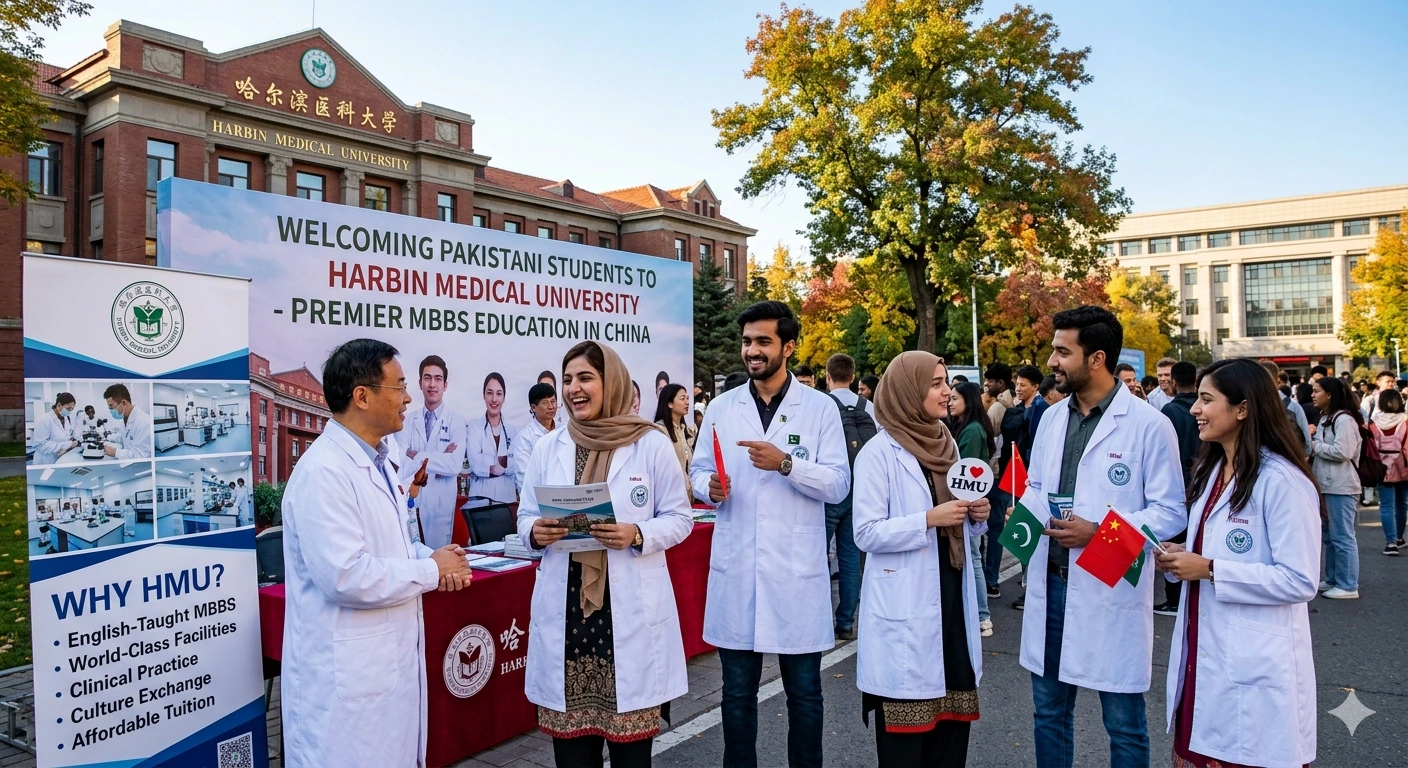
Harbin Medical University is attracting Pakistani students because it combines internationally recognized medical education, English-medium MBBS instruction, extensive clinical training opportunities, established research programs, and a long academic history within China’s medical education system. Students evaluating MBBS options in China often prioritize recognition, practical hospital exposure, academic infrastructure, and international student support, all of which contribute to Harbin Medical University’s growing appeal.
Based on admission trends, university data, medical education requirements, and experience analyzing international MBBS destinations for Pakistani applicants, several factors consistently influence student decisions. This article examines the university’s academic structure, clinical environment, eligibility requirements, and key considerations that prospective students should evaluate before applying.
Understanding Harbin Medical University’s Position in Chinese Medical Education
Harbin Medical University (HMU) is a public medical university located in Harbin, Heilongjiang Province, China. According to the university information provided for the September 2026 intake, HMU was established in 1926 and has developed into one of China’s recognized medical institutions.
The university’s appeal extends beyond classroom learning. Medical students increasingly seek institutions that provide strong clinical exposure, modern healthcare facilities, and opportunities to learn within active hospital environments.
Key Academic Highlights
| Academic Feature | Details |
|---|---|
| University Type | Public Medical University |
| Location | Harbin, Heilongjiang, China |
| Founded | 1926 |
| Teaching Language | English |
| Program Duration | 5 Years + 1 Year Internship |
| Undergraduate Programs | 11 |
| Postdoctoral Research Programs | 5 |
| Affiliated Hospitals | 5 |
| International Collaborations | 5 Foreign University Partnerships |
| Student Population | More than 10,000 Full-Time Students |
| Graduate Students | More than 3,000 |
Why Pakistani Students Are Paying Attention to Harbin Medical University
Several practical factors influence the decision-making process for Pakistani students seeking medical education abroad.
English Medium Instruction Supports International Learning
Language remains one of the most important considerations for international medical students. Harbin Medical University offers its MBBS program in English, allowing students to study foundational medical sciences and clinical subjects without requiring immediate fluency in Mandarin during the academic phase.
Extensive Clinical Training Environment
One notable strength highlighted in the university information is the presence of five affiliated hospitals that provide clinical training opportunities.
Medical education quality often depends on patient exposure, case diversity, and supervised clinical experience. Hospitals affiliated with established medical universities generally offer students access to real-world healthcare settings throughout their training.
Bonus Tip: When evaluating any MBBS destination, review the number and scale of affiliated teaching hospitals rather than focusing solely on university rankings.
Research and Academic Development Opportunities
Modern medicine increasingly integrates clinical practice with research. HMU’s research infrastructure, including postdoctoral programs and international collaborations, creates an academic environment that exposes students to evolving medical knowledge and evidence-based practice.
How Harbin Medical University Compares With Common MBBS Selection Factors
Students often compare universities using a consistent set of criteria before making an admission decision.
| Selection Factor | Why It Matters | Harbin Medical University Position |
|---|---|---|
| English Medium Teaching | Easier academic transition | Available |
| Clinical Exposure | Practical skill development | Five affiliated hospitals |
| University History | Academic stability | Established in 1926 |
| Research Opportunities | Academic growth | Multiple research programs |
| International Partnerships | Global exposure | Five collaborations |
| Student Population | Diverse learning environment | Over 10,000 students |
| Internship Component | Practical medical experience | Included in program |
Global Trends Supporting Medical Education in China
China continues to attract international medical students due to its expanding higher education sector.
According to UNESCO Institute for Statistics data, China remains among the world’s leading destinations for international students, reflecting the country’s growing educational infrastructure.
The World Health Organization (WHO) continues to emphasize the importance of healthcare workforce development worldwide, increasing interest in internationally recognized medical education pathways.
Additionally, China’s Ministry of Education has expanded international education initiatives over the past decade, contributing to greater visibility of medical universities among overseas applicants.
Admission Requirements Prospective Students Should Review
Eligibility standards play a significant role in determining application readiness.
Academic and Documentation Requirements
| Requirement Category | Requirement |
|---|---|
| Age Requirement | Above 18 and below 25 years |
| Academic Performance | Minimum 70% marks in all subjects |
| Passport | Required |
| Police Clearance Certificate | Required |
| Medical Form | Required |
| Application Form | Required |
| Passport Photographs | Required |
| SSC Transcript | Required |
| HSSC Transcript | Required |
Important Factors to Evaluate Before Applying
Selecting an MBBS destination should involve a structured evaluation process rather than relying solely on rankings or recommendations.
Academic Recognition
Students should verify recognition requirements relevant to their future licensing goals and professional plans.
Climate Adaptation
Harbin experiences significantly colder winters than most regions of Pakistan. Students should realistically assess their ability to adapt to seasonal conditions and lifestyle changes.
Bonus Tip: Research average winter temperatures and daily living conditions before finalizing university choices in northern China.
Clinical Training Opportunities
Review the quality and accessibility of affiliated hospitals, patient volume, and clinical teaching structures.
Long-Term Career Planning
Consider whether future goals involve returning to Pakistan, pursuing postgraduate education, or exploring international medical pathways.
Guidance Services Often Used During International Education Planning
Study sphere advisors regularly assists students in understanding educational pathways and documentation requirements through services such as:
- Study Visa Assistance
Guidance regarding academic admission documentation and student visa preparation. - Student Visa Processing Support
Assistance with application requirements and compliance procedures. - Business Visa Services
Support for individuals requiring international travel documentation for educational partnerships or institutional visits. - Work Visa Consultation
Information regarding documentation processes associated with international employment opportunities.
Questions Students Commonly Ask Before Applying
Is English-medium instruction sufficient for studying medicine in China?
English-medium programs support academic learning, but acquiring basic Mandarin skills can improve clinical communication and daily life experiences.
How important are affiliated hospitals?
Teaching hospitals significantly influence practical medical training quality and patient exposure opportunities.
Does university history matter?
Long-established institutions often benefit from mature academic systems, alumni networks, and developed research infrastructure.
Should students prioritize rankings alone?
Rankings should be considered alongside clinical exposure, recognition status, academic resources, and personal career objectives.
Additional Answers Students Often Seek
How early should MBBS applicants begin preparing documents?
Starting several months before application deadlines allows adequate time for document verification, medical examinations, and administrative processing.
What role does research play in undergraduate medical education?
Research exposure helps students develop critical thinking, evidence evaluation skills, and familiarity with modern healthcare advancements.
Can climate affect academic adjustment?
Environmental adaptation influences student comfort, daily routines, and overall university experience, making climate an important consideration.
Why are international collaborations valuable?
Partnerships with foreign universities can enhance academic exchange opportunities and broaden educational exposure.
How important is student population size?
Larger student communities often provide greater diversity, academic resources, and peer-learning opportunities.
Final Takeaways
Harbin Medical University attracts Pakistani students through a combination of English-medium medical education, established academic history, affiliated teaching hospitals, research opportunities, and international educational partnerships. The university’s structure aligns with many of the factors students typically prioritize when comparing MBBS destinations in China.
Prospective applicants should evaluate academic eligibility, clinical training opportunities, climate adaptation requirements, and long-term career goals before making a final decision. Careful research and informed planning remain the strongest foundations for selecting an international medical education pathway.
Leave a Reply