
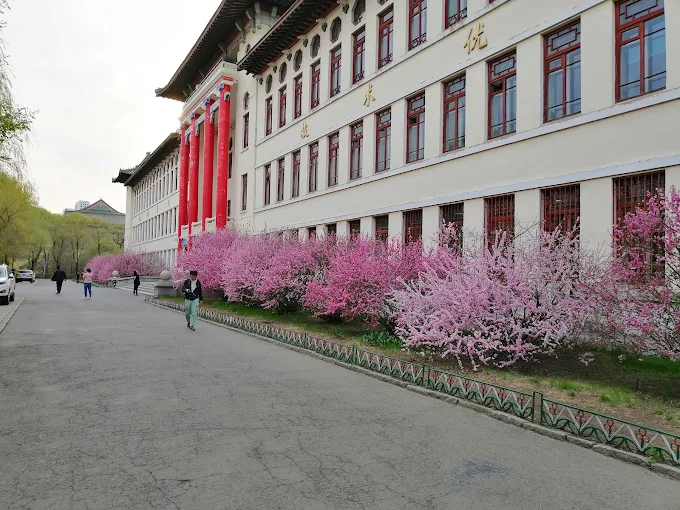
Students from Uzbekistan choose Harbin Medical University for MBBS mainly due to its structured medical curriculum, English-medium instruction, and strong clinical exposure in affiliated hospitals. The university is part of China’s established medical education system, which follows nationally regulated standards aligned with global medical licensing requirements.
From an advisory standpoint, Study sphere advisors observes that Uzbek students prioritize universities with predictable academic structures, climate adaptability support, and internationally recognized medical degrees. Harbin Medical University consistently appears in this selection because it balances academic discipline with practical hospital training.
This content explains why this institution stands out, supported by structured comparisons, academic data, and real admission considerations relevant to Uzbekistan students.
Why Harbin Medical University stands out for MBBS aspirants
Harbin Medical University attracts international students because it offers a stable MBBS structure, English-taught programs, and early clinical exposure in affiliated hospitals. The curriculum is designed under China’s Ministry of Education guidelines for international medical education, ensuring consistency across academic years.
Students from Uzbekistan often prefer structured environments where progression is predictable and exam-oriented. Harbin provides this through standardized coursework, lab training, and supervised hospital rotations starting from early academic years.
Key academic strengths influencing student decisions
- English-medium MBBS track reduces language transition barriers
- Strong integration of anatomy and clinical practice from early semesters
- Affiliated hospitals with high patient inflow for practical exposure
- Recognized medical degree pathway for licensing exams such as FMGE and other global assessments
Academic structure and program framework
Harbin Medical University follows a regulated MBBS structure aligned with national medical education policies in China. The focus remains on combining theoretical science with clinical practice.
Program structure overview
| Academic Component | Description | Student Outcome |
|---|---|---|
| Basic Sciences | Anatomy, physiology, biochemistry in early years | Foundation for clinical understanding |
| Pre-Clinical Training | Pathology, pharmacology, microbiology | Transition to patient-based learning |
| Clinical Rotations | Hospital-based training in affiliated hospitals | Real patient diagnosis exposure |
| Internship Phase | Supervised medical practice | Hands-on clinical readiness |
Technical program details for international MBBS track
| Specification Area | Academic Detail |
|---|---|
| Medium of Instruction | English (international MBBS track) |
| Training System | Integrated theory + hospital-based learning |
| Clinical Exposure Start | Early-stage structured rotations |
| Evaluation Method | Semester exams + practical assessments |
| Affiliated Hospitals | Multi-specialty teaching hospitals |
The Ministry of Education of China regulates these frameworks to ensure international students receive standardized medical training comparable across approved universities.
Comparison of Harbin Medical University with other Chinese medical universities
Students from Uzbekistan often compare multiple institutions before selection. The differences are usually in climate, hospital exposure, and academic pacing.
| Factor | Harbin Medical University | Typical Southern China Medical Universities |
|---|---|---|
| Climate | Cold continental winters | Mild and humid climate |
| Clinical Exposure | High patient volume hospitals | Moderate patient flow |
| Academic Structure | Strict and disciplined | Slightly flexible |
| Student Demographics | Diverse international mix | Regionally concentrated |
| Adaptation Requirement | Higher due to cold climate | Lower climate adjustment |
According to international education listings compiled by global medical directories and WHO-recognized university databases, Chinese MBBS programs remain one of the most enrolled pathways for Central Asian students due to structured admission systems and global recognition pathways.
Climate adaptation and student living conditions in Harbin
Harbin has one of the coldest climates in China, which directly impacts international student adaptation. Uzbek students generally find similarity in winter conditions, but Harbin winters can extend longer and feel more intense.
Practical adaptation insights
- Winter clothing preparation is essential before arrival
- Indoor heating systems are widely available in university housing
- Seasonal lifestyle adjustment is required for mobility and commuting
- Campus facilities are designed for cold-weather accessibility
Bonus insight: Students who arrive early before winter term tend to adapt faster compared to those arriving during peak cold months.
Admission and documentation process overview
The MBBS admission pathway in China follows a structured documentation-based selection process. Harbin Medical University evaluates academic consistency and eligibility rather than competitive entrance exams for international applicants.
Typical requirements overview
| Requirement Type | Description |
|---|---|
| Academic Record | Higher secondary education with science background |
| Biology Background | Mandatory for eligibility |
| Passport Validity | Minimum long-term validity required |
| Health Certificate | Standard medical fitness documentation |
| Application Review | Academic evaluation by university board |
Bonus insight: Students with consistent biology and chemistry performance tend to adapt faster during the first two academic years due to syllabus intensity.
Things to consider before making a decision
Selecting Harbin Medical University requires evaluating both academic and environmental factors:
- Climate readiness for extended winter conditions
- Ability to adjust to structured academic discipline
- Long-term licensing exam goals after graduation
- Clinical exposure expectations compared to home country standards
- Language adaptation for daily communication outside classrooms
These factors determine long-term academic stability and professional readiness more than initial admission eligibility.
Educational support services provided for study abroad pathways
Study sphere advisors supports students through structured documentation and admission processes aligned with international education systems.
- Study Visa Guidance: Structured assistance for academic visa documentation and approvals
- Student Visa Processing: Step-by-step application support for medical study pathways
- Business Visa Advisory: Guidance for education-related travel and institutional visits
- Work Visa Consultation: Post-study transition advisory for eligible graduates
These services focus on procedural clarity rather than promotional positioning.
Common Questions before choosing Harbin Medical University
Is Harbin Medical University suitable for international MBBS students
It is suitable for students who prefer structured academic systems with early clinical exposure and regulated curriculum delivery.
How difficult is the adaptation to Harbin climate
Adaptation depends on preparedness for cold weather conditions and willingness to adjust lifestyle habits.
Does the university provide early hospital exposure
Yes, clinical exposure begins in structured phases after foundational medical sciences.
What is the medium of instruction for MBBS
The international MBBS track is delivered in English with additional language support for clinical interaction.
Conclusion
Harbin Medical University remains a structured option for MBBS aspirants from Uzbekistan due to its regulated academic system, clinical training model, and internationally aligned medical curriculum. The decision is influenced more by adaptability, academic discipline, and long-term medical licensing goals than by location alone.
Students evaluating this pathway should assess climate readiness, academic consistency requirements, and clinical exposure expectations before final selection.
Leave a Reply