
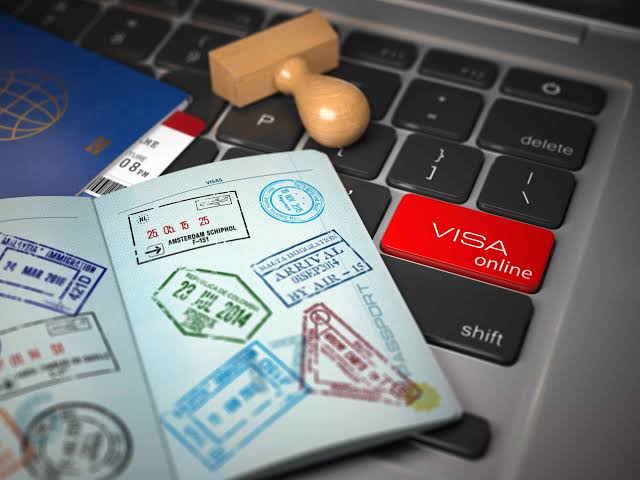
Applying for a work visa abroad requires much more than securing a job offer. Every destination country has its own immigration rules, eligibility standards, documentation requirements, health regulations, and employment verification procedures. Understanding these requirements before starting an application significantly reduces the risk of delays, document requests, or visa refusal.
This guide explains the essential factors that should be evaluated before applying for a work visa abroad, including eligibility criteria, required documents, common challenges, and practical preparation strategies. The information is based on established immigration practices followed across major work visa destinations and reflects the type of guidance immigration professionals regularly provide to applicants.
Understand Whether You Meet the Basic Eligibility Requirements
Every country designs its work visa system according to its labor market needs. While the exact rules differ, most immigration authorities evaluate applicants using similar criteria.
Before submitting an application, verify the following:
- A valid job offer from an eligible employer
- Educational qualifications relevant to the position
- Professional work experience
- Valid passport with sufficient validity
- Clean immigration and criminal record where required
- Medical fitness if requested by the destination country
- Language proficiency when applicable
Many applicants assume that receiving an employment contract automatically guarantees visa approval. Immigration authorities independently assess whether both the employer and applicant satisfy legal requirements.
Bonus Tip: Compare the job description with your academic qualifications and employment history before submitting documents. Inconsistencies often result in additional verification requests.
Compare Common Work Visa Systems
| Destination | Employer Sponsorship Required | Language Requirement | Medical Examination | Typical Processing Complexity |
|---|---|---|---|---|
| Canada | Yes (many categories) | Often required | Usually required | Moderate to High |
| Australia | Yes | English proficiency required | Usually required | High |
| Germany | Usually | Depends on occupation | Sometimes required | Moderate |
| United Kingdom | Yes | English requirement applies | Depends on visa category | Moderate |
| China | Yes | Usually not mandatory | Required | Moderate |
| United Arab Emirates | Yes | Generally not required | Mandatory | Moderate |
Each country regularly updates immigration policies, making it essential to verify current requirements before preparing documents.
Prepare Every Required Document Carefully
Incomplete documentation remains one of the leading reasons applications experience delays.
The following table summarizes the documents commonly requested.
Common Documents Required for Work Visa Applications
| Document | Purpose | Usually Required |
|---|---|---|
| Passport | Identity verification | Yes |
| Employment Contract | Confirms job offer | Yes |
| Employer Sponsorship Documents | Employer eligibility | Often |
| Educational Certificates | Qualification assessment | Yes |
| Experience Letters | Employment verification | Frequently |
| Police Clearance Certificate | Security screening | Country dependent |
| Medical Examination Report | Health assessment | Many countries |
| Passport Photographs | Visa processing | Yes |
| Visa Application Forms | Official application | Yes |
Maintain both original documents and certified copies whenever required. Translation into the destination country’s accepted language may also be necessary.
Bonus Tip: Keep scanned digital copies organized in cloud storage for quick access during additional document requests.
Verify Employer Legitimacy Before Accepting an Offer
Not every overseas employment offer is genuine.
Applicants should verify:
- Employer registration status
- Official company website
- Business address
- Employment contract authenticity
- Government licensing where applicable
- Contact information matching official records
Fraudulent recruitment schemes often promise immediate visa approval without following legal immigration procedures. Legitimate employers follow established government processes.
Understand Country-Specific Employment Rules
Immigration approval alone does not determine whether employment can legally begin.
Different countries impose additional conditions such as:
- Professional licensing
- Skills assessments
- Occupational registration
- Health insurance requirements
- Local labor law compliance
- Mandatory employee orientation
Applicants entering healthcare, engineering, education, aviation, or legal professions frequently need additional professional recognition before working.
Consider Regional and Climate Differences Before Relocating
Living conditions vary significantly across destinations and directly affect long-term adjustment.
Examples include:
- Middle Eastern countries require preparation for extremely hot summer climates.
- Northern European countries experience long winters with limited daylight.
- Canada has significant seasonal weather differences depending on province.
- Australia has varying regional climates that influence housing, transportation, and daily life.
Preparing for these environmental differences improves both workplace adaptation and personal wellbeing.
Review Important Factors Before Making Your Final Decision
Choosing the right work visa destination should involve more than evaluating a single job opportunity.
| Decision Factor | Why It Matters |
|---|---|
| Career Growth | Long-term professional development opportunities |
| Immigration Rules | Future visa renewals and compliance |
| Family Eligibility | Possibility of bringing dependents |
| Employment Rights | Worker protections and legal safeguards |
| Healthcare System | Access to medical services |
| Local Language | Workplace communication and integration |
| Cost of Living | Daily financial planning |
| Cultural Adaptation | Easier adjustment to a new environment |
Evaluating these factors early helps applicants make informed long-term decisions rather than focusing only on initial employment.
Current Facts That Influence Work Visa Applications
Recent labor market trends continue to shape immigration policies worldwide.
| Market Insight | Source |
|---|---|
| International migration reached record levels as labor shortages continue across many developed economies. | OECD International Migration Outlook 2025 |
| Skilled migration remains a major workforce strategy across multiple economies. | International Labour Organization (ILO) |
| Governments continue strengthening document verification and digital immigration systems to improve application security. | International Organization for Migration (IOM) |
These developments highlight the importance of submitting complete and accurate documentation from the beginning.
Services Available Through Study sphere advisors
Study sphere advisors supports applicants through several visa-related pathways by providing educational guidance and application assistance.
- Work Visa
Guidance on documentation, eligibility review, and work visa application preparation for different destinations. - Student Visa
Assistance with academic admission requirements and student visa documentation. - Study Visa
Support in understanding country-specific education visa processes and compliance requirements. - Business Visa
Guidance for applicants travelling for business activities under applicable immigration regulations.
Common Questions Before Applying
Can a work visa application begin before receiving a job offer?
In many countries, employer sponsorship or an official employment offer is required before submitting a work visa application. Always verify the specific rules of the destination country.
Should educational documents be attested?
Many immigration authorities require official attestation or legalization of educational documents before visa processing. Requirements differ by country.
Is previous overseas work experience mandatory?
Not always. Some work visa categories accept qualified applicants with relevant local experience, while others prioritize international experience for specialized occupations.
How important is passport validity?
A passport should generally remain valid well beyond the intended travel period. Many countries require several months of remaining validity before issuing a visa.
Answers to Other Frequently Asked Questions
Can a work visa be extended after arrival?
Some countries allow extensions if immigration conditions continue to be met, while others require a new application. Follow the regulations of the issuing authority.
What happens if employment changes after the visa is issued?
Certain work visas are linked to a specific employer. Changing employers may require a new approval or an updated work authorization.
Do all countries require medical examinations?
No. Medical examination requirements vary depending on the destination country, occupation, and duration of stay.
Can family members accompany a work visa holder?
Many countries offer dependent visa options, but eligibility conditions, financial requirements, and employment rights differ between immigration programs.
Does visa approval guarantee permanent residency?
No. A work visa grants temporary authorization to work under specified conditions. Permanent residency follows a separate immigration process where available.
Final Thoughts
Successful work visa applications begin with careful preparation rather than paperwork alone. Verifying eligibility, organizing accurate documents, understanding employer obligations, researching destination-specific regulations, and evaluating long-term career goals all contribute to a stronger application.
Every applicant should review the latest immigration requirements issued by the destination country’s official authorities before submitting documents, as regulations can change without prior notice.
Leave a Reply